Fit on the road bike: nutrition tips for cyclists
A successful Training or the new best time at the next competition does not just depend on the strength in your legs or your endurance: the food that cyclists eat every day is also very important. It makes a difference which food road cyclists eat directly before training, during the tour or after completing the stage. TOUR has compiled the most important information about nutrition in road cycling for you - including recipes, tests and the best snack tips for more performance on the bike.



How do I eat properly as a cyclist?
As with almost all sports, the same principle applies to road cycling: a balanced and varied diet that provides the body with sufficient nutrients both in everyday life and on the saddle is the be-all and end-all. In addition to 2 to 3 litres of fluid per day, the following ingredients should therefore be the focus of a successful sports diet:
- Carbohydrates (especially wholemeal products)
- Proteins
- healthy fats (such as omega-3 fatty acids)
- Vitamins
- Minerals
- secondary plant substances
Vegetarians and vegans who live on the Racing bike If you want to pursue training goals, you need to pay particular attention to replacing proteins from meat (and foods made from milk). Pulses such as beans, peas or soya products are particularly suitable for this.
The aim of this basic diet is to prevent blood sugar levels from rising or falling too quickly in order to remain constantly efficient - whether on the bike or on rest days. It becomes problematic when too much sugar or unhealthy fats from sausages or fast food, for example, dominate everyday life. Apart from the potential for weight gain, the blood sugar levels of these foods skyrocket within a short period of time. Although this provides an energy boost, the sudden drop shortly afterwards is characterised by tiredness or cravings.
The competition is coming up: What does my menu look like?
In order to perform optimally during a long training session or a cycling race, it is important to plan what is on the menu in the days leading up to it. At the centre of this is the glycogen store: this is where the body stores carbohydrates - more precisely in the liver or muscles. The question of how far this store should be topped up before training depends on the training goal and the intensity of the stages.
It is therefore useful for cyclists of all types to have specific recipes in the Training plan to be integrated. This ensures that the body is supplied with the right nutrients at the right time - with the added benefit that shopping lists can be better structured and no mental energy is spent on the question of what to eat.
If you're looking for a quick energy kick for the start, you can try drinking a cup of coffee. However, the opinions of road cyclists are divided into two camps: For some, caffeine gives them the right drive, while others notice a shaky feeling and nervousness. It is therefore important to test coffee as a booster for yourself and decide whether or not it is suitable before a cycling tour.

Carboloading: Full glycogen stores for maximum energy
A widely used term in professional tour preparation is the so-called Carboloading. This term refers to the targeted increase in carbohydrate stores in order to have more energy available during prolonged exercise and to delay the time of a possible drop in performance. Endurance sports lasting longer than 90 minutes are a guideline here.
In the carboloading method, glycogen stores are first completely depleted during high-intensity training. Then, about a week before the competition, athletes reduce the demanding units while consuming high amounts of carbohydrates - at least 500 grams a day. The final stage is a rest day before the race in order to achieve maximum glycogen storage capacity.
Fat metabolism training: what are the benefits?
In a further form of training, the Fat metabolism in the foreground. Once the carbohydrates in the glycogen stores have been used up, the body utilises fat reserves to produce energy. However, the conversion of fat into direct power is more complex - and can therefore be specifically trained to mitigate a sudden drop in performance on the bike and improve endurance.
Professionals train their fat metabolism, for example by eating a low-carb meal after a hard workout, sleeping and getting ready for the next stage the next morning. Get on your bike "sober".
During the tour: Which sports nutrition provides quick energy?
With high loads over a longer period of time, even with the best Fitness Every glycogen store runs out at some point. As a rule of thumb, the body uses energy from approx. 60 grams of carbohydrates within an hour. This means that after a good 90 minutes, the hunger pangs feared by racing cyclists can set in. In this case, it is possible that a sudden drop in performance becomes noticeable, along with symptoms of fatigue, dizziness or a loss of concentration.
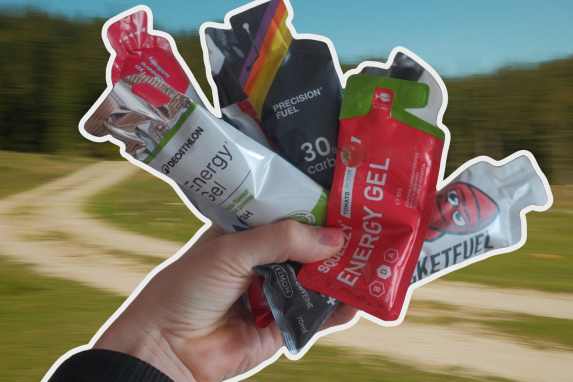
So if you are planning long rides, you should think about the right food and drink. In order to bridge an energy gap, the focus here is primarily on simple carbohydrates with a low GI, which cause blood sugar to rise more quickly - for example a bread roll with jam. However, many food manufacturers also offer special bars or gels that athletes can easily eat while riding their bike. There are also numerous recipes online with fruit such as bananas, vegetables or nuts for the perfect energy bar from your own kitchen.
In addition to the right sports nutrition, the intake of fluids is of course also essential. After all, the body not only sweats out water during endurance training, but also important minerals such as sodium. When cyclists notice a feeling of thirst, dehydration is usually already setting in - so the recommendation is to drink a sip every 15 to 20 minutes during the tour. Isotonic drinks or your own mix of low-sugar fruit juices and water (in a ratio of 1:2) with a pinch of salt are best for this.
What should I eat after the race to aid my recovery?
A successful training session also includes the right nutrition after the ride. Ideally, the first meal after the Tour of as many carbohydrates and proteins as possible to replenish energy and support muscle building. Easily digestible dishes are ideal so as not to challenge the stomach too much after exercise - so it doesn't have to be a large portion of pasta, but a vegetable and rice pan with low-fat turkey, for example.

If fat metabolism training is scheduled for the next day, the carbohydrate stores tend to remain empty. That's why your diet should consist mainly of protein-rich foods such as dairy products and pulses as well as healthy fats. For example, a dish with fish and vegetables is suitable for preparation - with yoghurt with fresh fruit and nuts for dessert.
Recovery shakes or special bars for regeneration have become established in the professional sector or after tough competitions. These usually consist of a balanced protein-carbohydrate mix that quickly and efficiently replenishes burnt-out energy stores after the ride. If you have protein powder at home, you can make your own recovery drink with quark, banana and berries in no time at all.
I want to lose weight on my racing bike: How do I eat right?
Like any sport, road cycling is also suitable for losing weight. The issue of weight is even more important for professional cyclists: Just a few grams can decide who crosses the finish line first or wins a stage. However, there is no ideal body weight for road cycling, as basically any bike enthusiast can get on a road bike - for professionals, the ideal weight depends on the respective rider. Driver type.
Diet has a significant influence on the weight loss you are aiming for. The key word here is the calorie deficit: according to recommendations, this should not exceed 300 to 500 kilocalories per day in order to continue to ensure the necessary supply of nutrients to the body. This deficit can be calculated using the ratio of resting to total energy expenditure - i.e. the calories consumed at rest compared to the calories consumed during exercise.
- 1.4: Office job with a lot of sitting and little sport
- 1.7: Desk work with 4-5 units of exercise per week
- 2.4: Training level of a professional athlete
Food supplements: Are they necessary for successful training?
The answer to this question is a clear "no": If you eat a balanced and varied basic diet, you don't normally need to worry about supplements. This means that your diet should primarily include complex carbohydrates, vegetables, fruit and healthy fats from meat and fish, paired with protein-rich pulses, dairy products and 2 to 3 litres of fluid per day.
However, to be on the safe side and find out whether your current diet is right, a check-up with a doctor can help. This can determine whether the current diet meets all the body's needs. Dietary supplements can be a way of supporting the body in a targeted way - for example, by taking vitamin D in winter when long journeys in the sunshine are not possible. However, if in doubt, it is always advisable to consult a doctor.
Conclusion: A cyclist is what he eats
If you want to cover several kilometres at full power on your bike, you also need to pay attention to your diet. In cycling, carbohydrates and proteins therefore take centre stage. The body stores the former in glycogen stores, from which it then produces direct energy. Protein ensures that the muscles recover from exertion and are strengthened, especially during the regeneration phases. In combination with sufficient fruit, vegetables and water, dietary supplements are not necessary.
The diet of road cyclists also depends on the chosen form of training: when carboloading, for example, the aim is to build up the carbohydrate stores as much as possible - be it with the help of pasta, potatoes or oatmeal. On the other hand, not eating this type of energy-rich food also has a training effect: if you get on your bike with empty glycogen stores, the body uses its own fats to generate energy - this is also known as fat metabolism training.
To support long training sessions, food manufacturers have developed energy bars, gels and various snacks that can prevent hunger pangs and the associated drop in performance. The carbohydrates they contain quickly enter the bloodstream and provide the necessary kick. The right sports drink also ensures stage success: a mix of fruit juices, water and a little salt is the perfect supplement to achieve new best times.