


In this article, we use so-called affiliate links. With every purchase through these links, we receive a commission from the merchant. All relevant referral links are marked with . Learn more.
When do you even need to eat? You don't need anything for rides of less than an hour. Your glycogen stores are sufficient. Things get serious from 60 to 90 minutes - this is when you should start topping up your energy levels at the latest. The most common mistake: eating too late. By the time you feel hungry, it's usually already too late. The aim is to keep topping up your energy levels.
How much energy do I need?
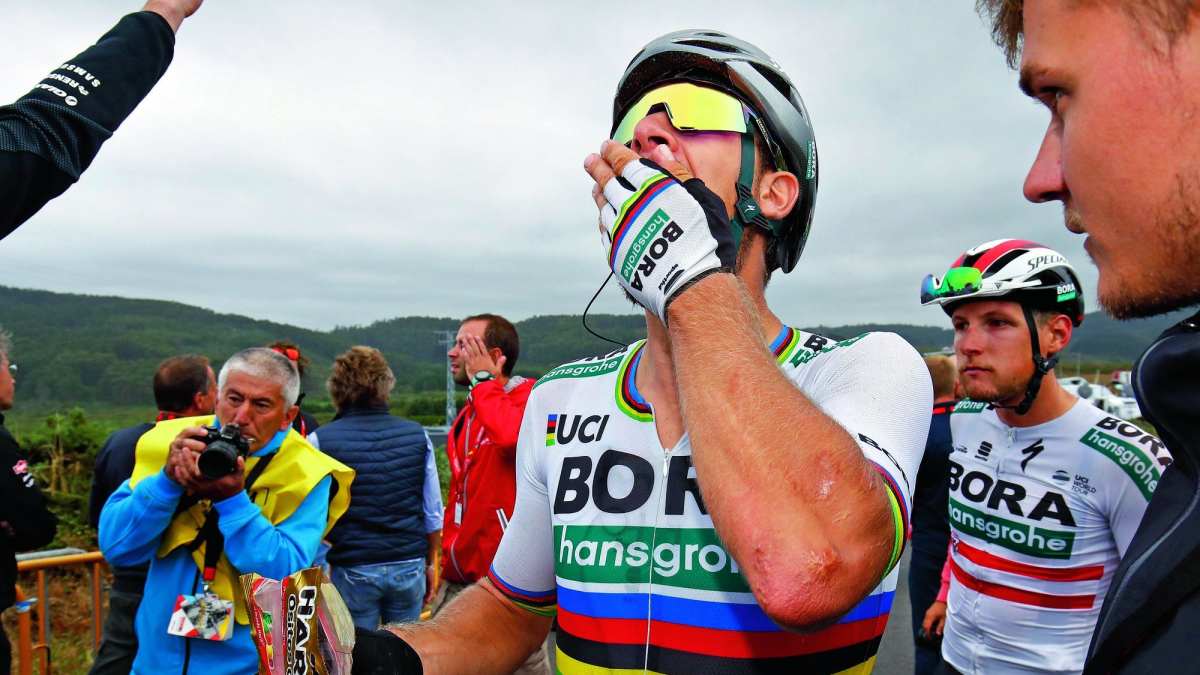
This depends heavily on the intensity. On a relaxed basic ride in zone 2, your body mainly burns fat - the carbohydrate rate is low and 20 to 40 grams per hour is usually sufficient. At higher intensities, such as a brisk group ride, intervals or difficult terrain, the requirement increases to 60 to 90 grams per hour. Those who have trained their intestines and are out on long race days can also exceed this. Professional cyclists like Lipowitz already get 120 grams of carbohydrates per hour during the race.
What does that mean in concrete terms?
- 1 banana: approx. 25 g carbohydrates
- 1 energy bar: approx. 30-45 g
- 1 energy gel: approx. 20-25 g
- 1 bottle of sports drink (500 ml): approx. 30 g
What is the best strategy?
Eat something every 20 to 30 minutes - it is better to eat small portions regularly than a lot at once. In some navigation devices, you can set a reminder to remind you to eat and/or drink regularly.
Solid food works well at moderate intensity. Gels and liquids are more practical when the pace goes up - chewing is more difficult on climbs or in the wind, and the stomach processes liquid carbohydrates more quickly.
That's what I do when I pack my bike: After a few hours in the saddle, I find it really difficult to eat solid food on the bike, partly because I lose my appetite at some point. I can't even get hold of bars any more. On bikepacking tours, I stop to eat and otherwise mainly eat carbohydrate powder in my drink and jelly babies. At ultracycling events and races, it's more difficult if you want to minimise the break time. I rely even more heavily on the aforementioned gummy bear and drink powder tactics. On top of that, I drink meals from the supermarket or petrol station.
Real food or sports products?
Both have their justification. Bars and gels are practical, calculable and optimised for on the go. But a banana, boiled potatoes, a sandwich or roll also work - and cost a fraction of the price. The most important thing is to eat what you can tolerate. Stomach problems on the bike can be unpleasant or even dangerous. Don't try anything new on your first long race or your first brevet ride.
Don't forget to drink
Carbohydrates need fluids to be absorbed. If you only gulp down gels and don't drink, you run the risk of stomach problems again. Rule of thumb: 500 to 750 ml per hour, more in the heat. A classic mistake is to drink too little in cool weather. The thirst comes later, but the loss is still there.
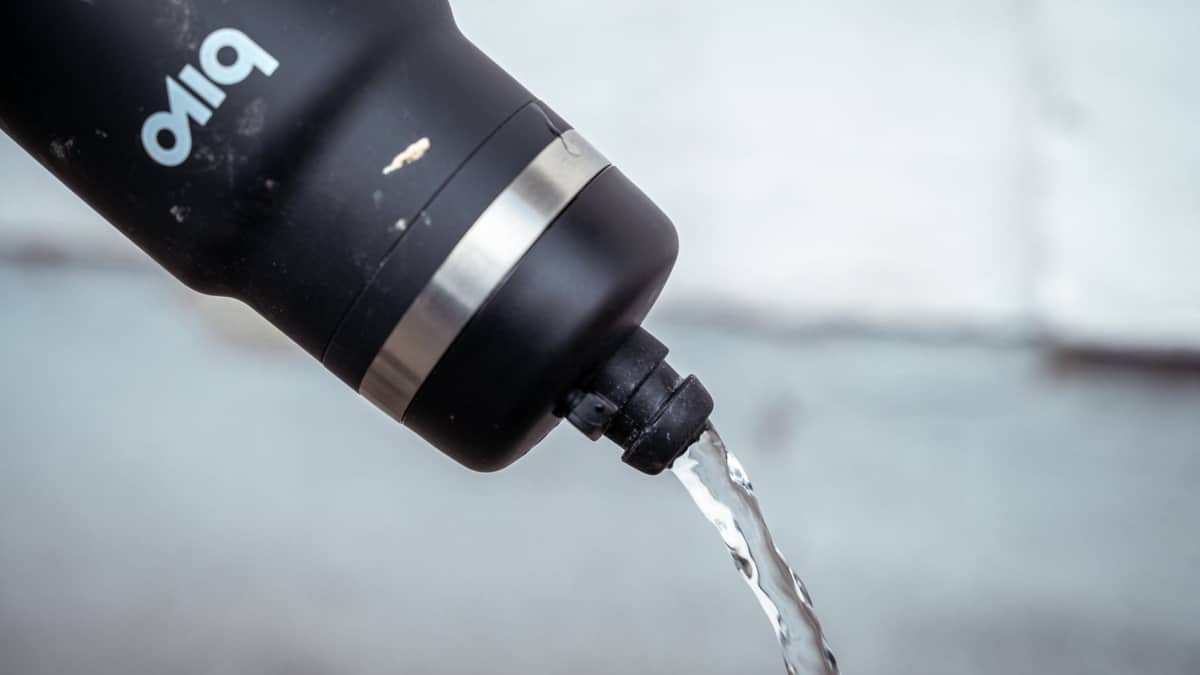
Gamechanger for cold: Insulated drinking bottle with a warm drink. This winter I travelled for the first time with a Thermos flask from Bivo Dangerous: it is so much more pleasant to drink warm, sweetened tea than to pour a slushy-like liquid into your mouth. But be careful! The drink should not be poured in too hot so that your mouth doesn't burn when you take your first sip.
The most important facts in brief
Start early, eat with intensity and drink enough. You don't have to be a nutrition professional to do this. But you do need to do it consistently.

Sandra Schuberth
Editor
