


The most prestigious race for everyone: Here’s how to win the town sign sprint!
Lukas Niebuhr
· 23.06.2026

The ‘town sign sprint’ can be great fun – but it’s dangerous because it often takes place on roads that are open to motor traffic. Every cyclist should be aware of this danger. You should only start a sprint when the road is clear and visibility is good. Safety comes before any town sign. If the situation allows, we have a few useful tips on how to improve your chances of winning the sprint.
Increase your chances of winning the town sign sprint
The town sign sprint is a small tactical element within the wider game of road cycling. It’s not just about strength, but about timing, psychology and preparation. These factors are what make all the difference.
1. Know your sprint opponent: Start early or late?
Everyone has their own sprinting style. Some riders are explosive and benefit from a short, late sprint. Others have more stamina and can sustain a long sprint.
- Early starters: If your opponent tends to start well before the shield, you can catch them off guard with a short, powerful burst just before the shield.
- Late bloomer: If he tends to accelerate quite late, it’s worth putting him under pressure with an early but controlled sprint.
The better you know your opponent’s skills, the easier it is for you to disrupt their timing and capitalise on your own advantage.
2. The perfect position in the wind
Wind is the invisible enemy. If you ride in someone’s slipstream, you can save up to 30% of your energy. This means:
- Let your opponent take the lead.
- Stay close, but not so close that you have to brake.
- Don’t pull away until you’re really ready to sprint.
If you make clever use of the slipstream, you’ll simply have more power to spare at the crucial moment.
3. Choose the right translation before the sprint begins
Many lose the sprint before it even begins – because they’re in the wrong gear.
- Select a medium gear that allows for good acceleration.
- Avoid using gears that are too heavy, as they’ll ‘slow you down’ when you set off.
- Avoid gears that are too light, where you find yourself pedalling into thin air straight away.
A clean, explosive start often counts for more than top speed.
4. Reading the road: gradients, bends, road surface
Not every place-name sign is the same. Make the most of your surroundings:
- Slightly downhill: Perfect for an early, long sprint.
- Slightly uphill: An advantage for riders with plenty of power.
- Bend before the sign: Whoever accelerates out of the bend first almost always has the advantage.
- Poor road surface: It’s better to sprint later so as not to lose control.
If you understand the road, you’ll sprint more intelligently.
5. Engage your opponent in conversation – and make your move at the right moment
That sounds a bit harsh, but it’s a classic among road cycling enthusiasts. A casual chat about the weather, your last ride or your new rear derailleur can work wonders:
- The opponent relaxes.
- His concentration is waning.
- He doesn’t expect a sprint.
If you then suddenly accelerate at just the right moment – ideally on a slight downhill or with a tailwind – you’ll catch him off guard. Psychology beats watts.
6. Creating moments of surprise
As well as this conversational technique, there are other psychological levers:
- Change of pace: Briefly picking up the pace, then relaxing again – that’s confusing.
- Avoid eye contact: If you don’t show that you’re ready, your opponent is less likely to expect you to sprint.
- Keep your posture neutral: Don’t reach for the lower link until you’re really off.
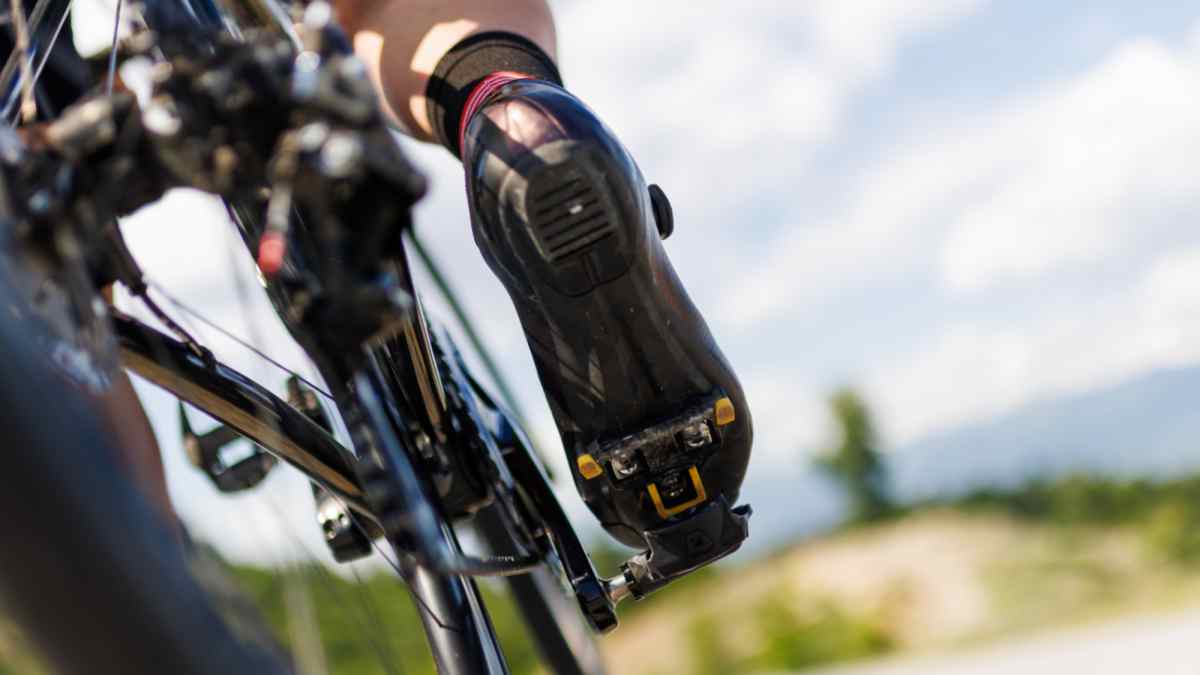
- Leave click shoes alone: Lots of people tighten their trainers a bit more just before the sprint – that attracts attention.
You’ll win plenty of sprints before you’ve even started pedalling.
7. Town sign markers in route planning
If you want to take it really seriously: Marking the place-name signs on your route plan gives you a decisive advantage: many amateur cyclists sprint on the spur of the moment – and that’s exactly your chance. If you plan your route in advance and mark all the place-name signs, you’ll know:
- how long it is until the next sprint
- where you need to position yourself
- when you should eat, drink or rest
- when you can catch your opponent off guard
Whoever spots the town sign first almost always has the advantage. Whoever knows it in advance has an even greater one.
8. Know the last 200 metres
If you know how far you’ve still got to go, you can perfect your timing:
- 200 m: ideal for powerful, explosive riders
- 300–400 m: good for endurance sprinters
- <150 m: perfect for surprise attacks
Many lose because they set off too early. If you know the distance, you’ll ride more sensibly.
Conclusion
The town sign sprint is a mix of tactics, timing and a touch of cunning. If you know your opponent, have prepared the route and take them by surprise at just the right moment, you’ve got the best chance of winning. But: safety always comes first. No sprint in the world is worth putting yourself or others at risk.

Lukas Niebuhr
Working student
