


The “self-supported” cycling event, which does not feature a ranking, starts at Udine Castle and winds its way through the western region of Friuli-Venezia Giulia. The third edition of the event has attracted 480 entries ahead of its official start on 3 September 2026. The region, situated between Austria, Slovenia and the Adriatic Sea, combines Alpine valleys, vineyards and historic villages within a compact area.
New road cycling routes on FVG Bike Trail
The gravel routes cover three distances. The Unlimited route is 400 kilometres long with 6,400 metres of elevation gain. The Unconventional route shortens the distance to 200 kilometres with 2,500 metres of elevation gain. The 100-kilometre route offers a gentle introduction.
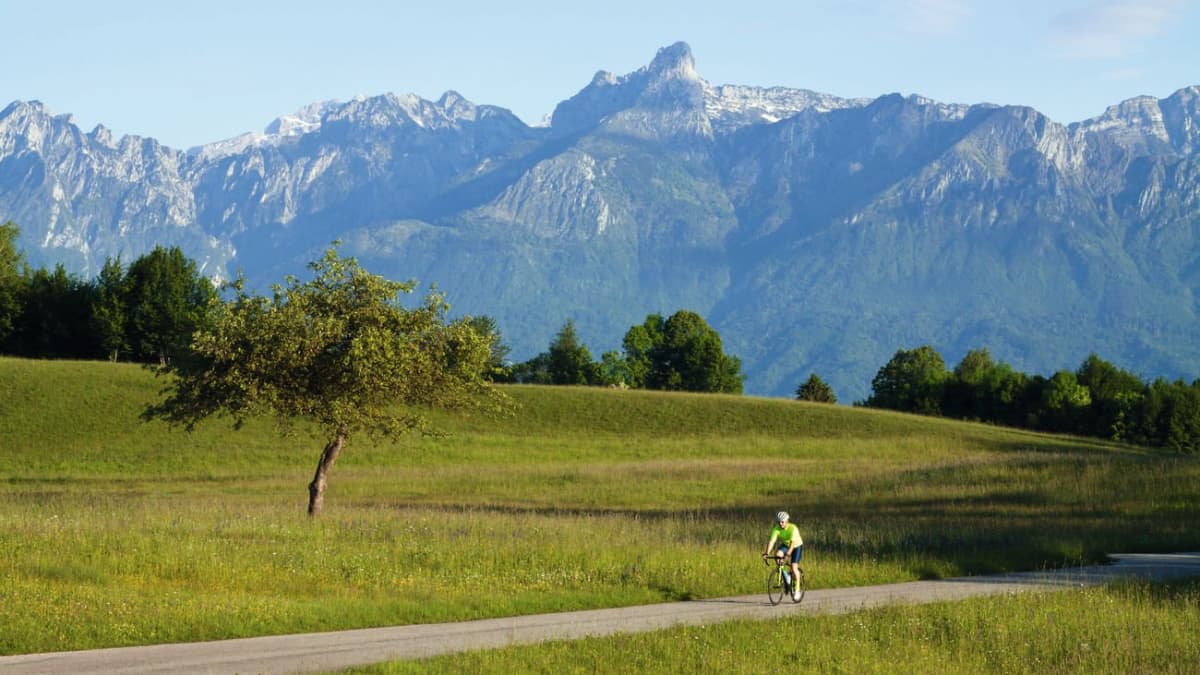
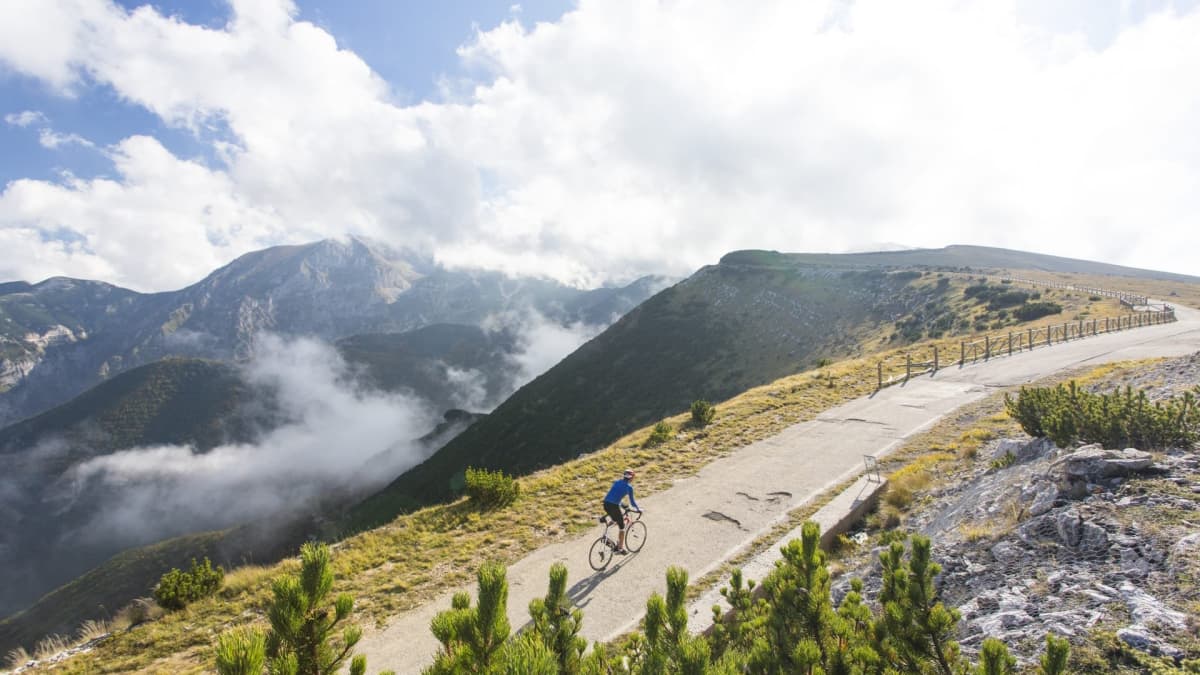
The new road cycling routes follow a similar structure. Unlimited Road offers a challenging route covering 400 kilometres and 7,000 metres of elevation gain. Unconventional Road offers 270 kilometres with 3,400 metres of elevation gain. The 100-kilometre road cycling option rounds off the range. So far, 15 per cent of participants have chosen the road cycling options, whilst 85 per cent have opted for gravel.
The longer routes take you away from the tourist centres, through the foothills and valleys of western Friuli. The routes follow quiet roads, gravel tracks and sections along the Tagliamento. The Unlimited Gravel Route passes through areas affected by the 1976 earthquake. The 50th anniversary of the disaster falls in 2026. The reconstruction has shaped the region’s modern history.
Giacomo Miranda, organiser of the FVG Bike Trail, explains: “Gravel remains at the heart of the FVG Bike Trail, but the new road cycling routes allow us to welcome cyclists who prefer a different riding style.”
FVG Bike Trail with Slow Food
The partnership with Slow Food Friuli Venezia Giulia gives participants an insight into the region’s food culture. The charity recommends stops along the routes where cyclists can buy local produce and sample regional specialities. The initiative links the landscapes they cycle through with the people, traditions and agricultural produce of the region.
Regional specialities include Ramandolo, a wine characteristic of the region. Pitina, a traditional smoked meat speciality, and Prosciutto di San Daniele, the internationally renowned ham, are also on the list. Dishes such as frico, made from cheese and potatoes, and cjarsons, a type of stuffed pasta from the mountain villages, represent Friulian home cooking.
Art on a bike
A collaboration between the Italian bicycle manufacturer Colnago and the Scuola Mosaicisti del Friuli brings art to the event. Founded in 1922, the mosaic school is internationally recognised for preserving the regional mosaic tradition.
The artwork “Frammenti d’insieme” by the artist Cristina De Leoni adorns a Colnago G4-X show bike, specially crafted for 2026. The bike is transformed into a moving expression of the colours, landscapes and cultural identities of Friuli-Venezia Giulia. The presentation will take place at Udine Castle during the event. The project continues the collaboration with the Friulian artist Giorgio Celiberti, which began in 2025.
Taking part in the FVG Bike Trail
The event starts on Thursday, 3 September 2026, in Udine. Participants will have several days to complete their chosen route. The format focuses on personal experience, exploration and independent cycling. Registration remains open until 31 August 2026 at www.fvgbiketrail.com Open.

Kristian Bauer
Editor
