


The topic of motorbikes in cycling, in particular their role and influence during races, has been a controversial subject for years. They are repeatedly criticised, whether because of safety concerns or because of their supposed influence on the race itself. Slipstreaming is the big problem here.
The criticism
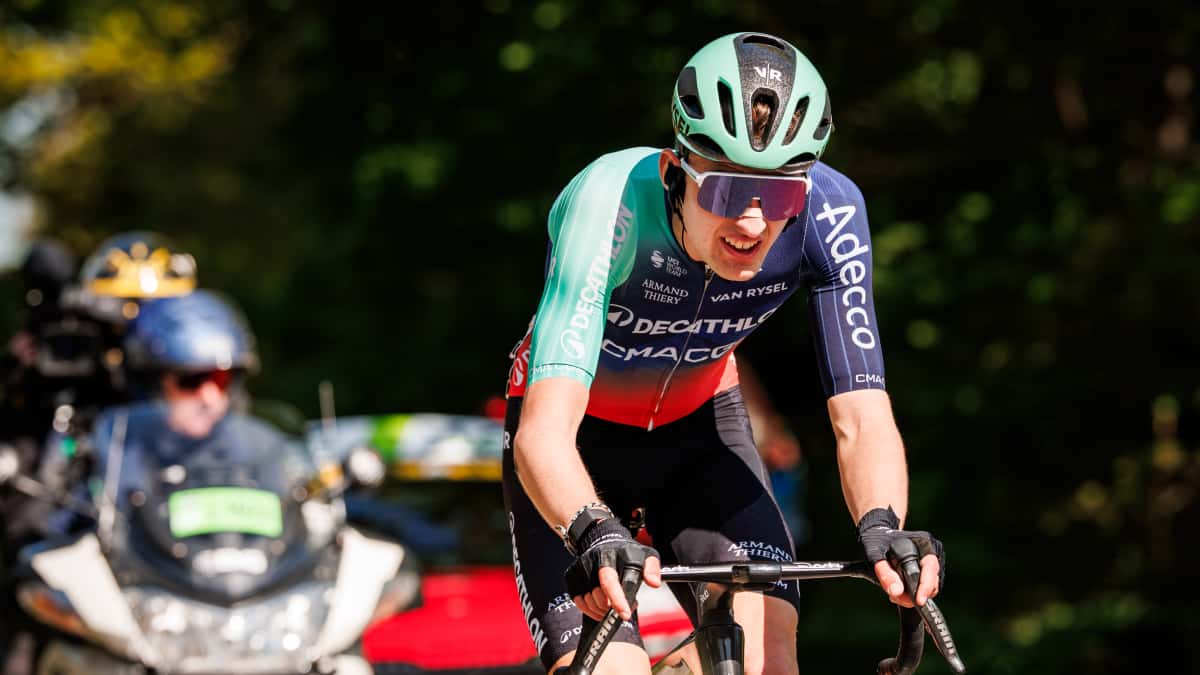
Critics argue that motorbikes carrying TV cameras or officials give cyclists an advantage by providing them with protection from the wind. The slipstream that a motorbike can provide is certainly relevant, as it is significantly greater than that of a cyclist. The most common controversial situation is a soloist or a breakaway accompanied by a camera motorbike, which is of course completely understandable as the leader of the race.
The crucial point here is the position of the motorbike. If such a group is filmed from behind, there is no slipstream problem. However, when filming from the front, it all depends on the distance. Even at a distance of 20 metres, an advantage is clearly measurable, which is why the cameramen are encouraged to film with zoom. This allows the motorbike to increase the distance and has no influence on the racing action.
Organisational necessity and hurdles
On the other hand, the organisers emphasise the logistical and media necessity of the motorbikes. They are essential for the transmission of live images and the safety of the racers. Another problem is obvious for the riders. If they are always filming a group from behind, but other riders catch up from behind, they have to ride forwards from a certain distance in order not to be an obstacle, but also not a slipstream donor for the approaching riders. The only thing left for them to do is film from the front. The racing action can often be hectic and momentous decisions have to be made within seconds. So it's often not that easy for the riders.
New allegations by Paret-Peintre
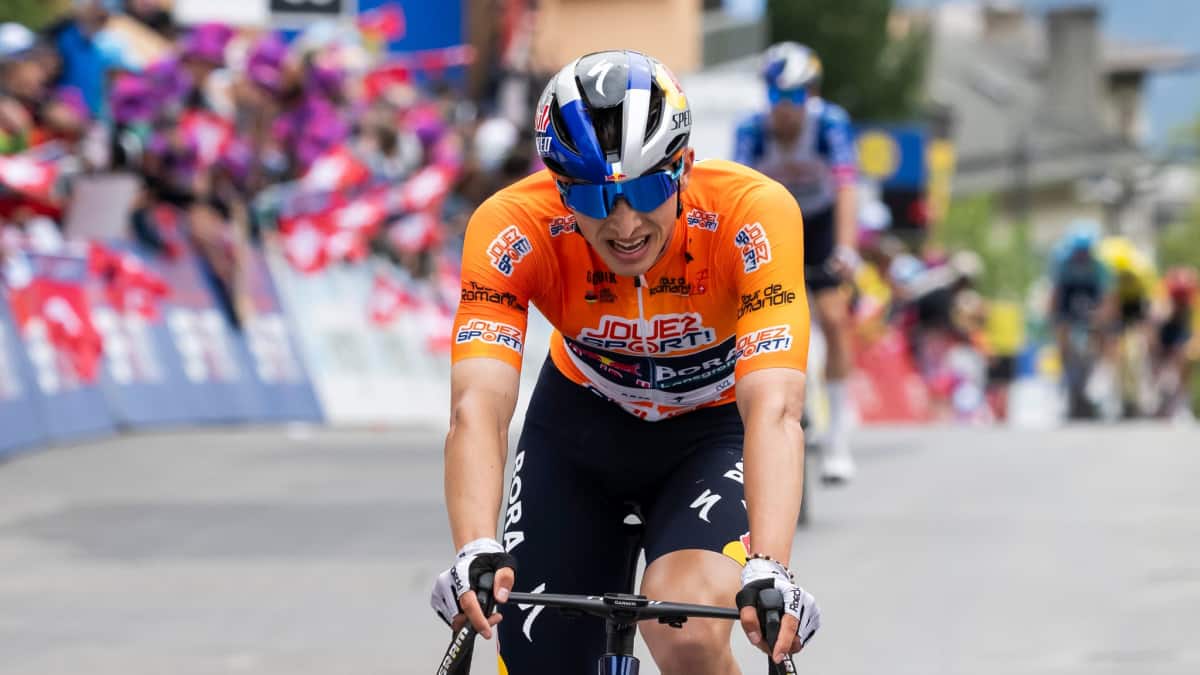
It happened again at the Tour de Romandie 2026. Valentin Paret-Peintre was annoyed in an interview after a stage that motorbikes had offered Tadej Pogačar slipstreaming. This accusation is not new and is similar to those made at so many races. Particularly in the spring classics, these discussions are almost to be expected due to the tight and often hectic racing conditions. The debate has been reignited as a result.
The supposedly simple solution to the problem
The challenge is to find a balance where the motorbikes do not influence the riders but can still fulfil their important roles. To address the issue, many are calling for stricter regulation and monitoring of motorbikes during races. Improved training for riders and clear rule-making could help to reduce misunderstandings and concerns. Overall, criticism of motorbikes remains a recurring theme in cycling, and one that is likely to continue to generate debate in the future. The balance between necessity and influence will continue to be key to maintaining the integrity of the sport.

Leon Weidner
Editor
