


Gravel biking without gravel bikes: Wout van Aert bangs over the gravel on an aero road bike
Kristian Bauer
· 26.05.2026

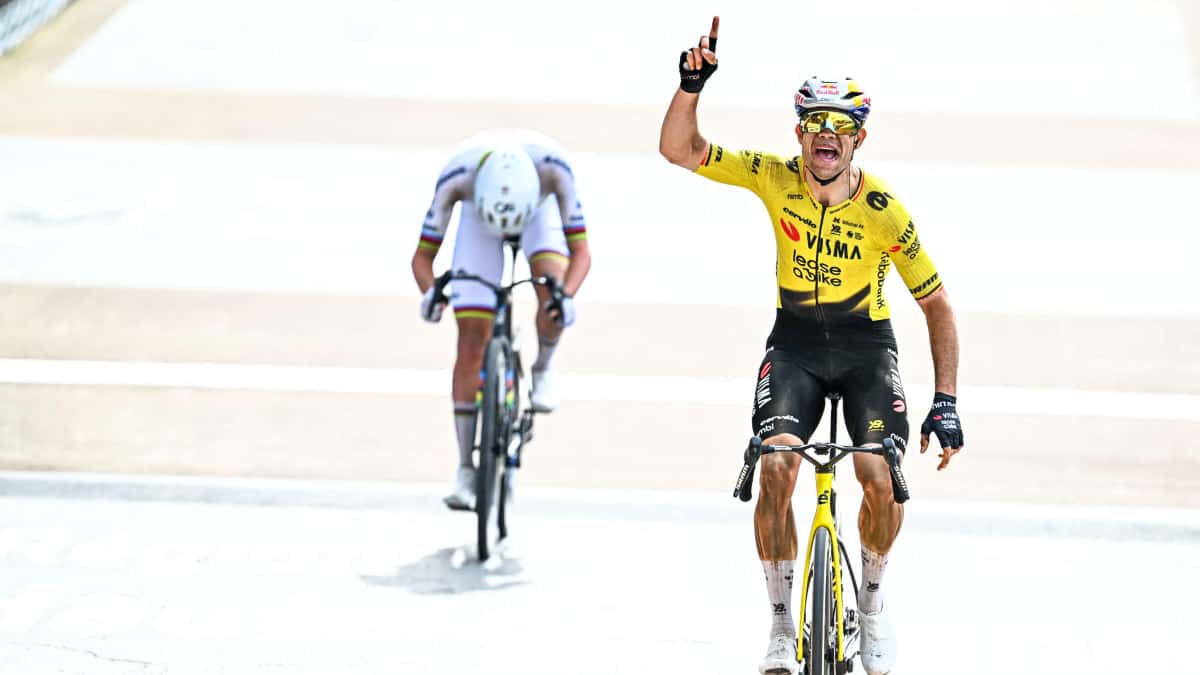
Wout van Aert proved his riding skills at Paris-Roubaix - and he's also showing them in training. Team Visma | Lease a Bike is currently at an altitude training camp in the Spanish province of Granada in preparation for the Tour de France. The team is based in the ski resort of Pradollano at an altitude of 2,100 metres. Strava gives an insight into what the cycling pros are training for in the Sierra Nevada. On Sunday, Wout van Aert, Matteo Jorgenson, Edoardo Affini and Bruno Armirail rode a 181-kilometre gravel lap in the Andalusian mountains. The strenuous ride took over six hours and involved more than 4000 metres of climbing. A look at the map shows that they were travelling on unpaved roads almost all the way. The videos posted show white gravel tracks and bring back memories of Strade Bianche. The guys from Team Visma are also travelling fast downhill - technical riding skills are required on the slippery surface. This is because the group around van Aert is not riding gravel bikes with wide knobbly tyres, but is rolling over the gravel on their road bikes. In the video you can see the Cervélo S5 aero road bike with normal road tyres. The trend towards ever wider tyres on aero road bikes is obviously paying off. Van Aert called the training ride in his Strava profile an immune booster.

Gravel fan Wout van Aert
Van Aert specialises in difficult terrain - it is not without reason that he won the classic Paris-Roubaix this year. He also likes to ride completely off-road - just a few weeks ago he took part in the Marly Grav Race in Limburg. At that time, however, he was riding the Aspero 5 - the gravel model from Cervélo. This also makes it clear that the gravel bike is also the first choice for the Visma pro on demanding surfaces. In 2023, van Aert finished eighth in the UCI Gravel World Championships. He is now focussing on preparing for the Tour de France. On Monday, he rode a 90-minute tour on his road bike with almost 1000 metres of altitude - at an altitude of over 3,000 m - the clear motto was altitude training. On Sunday, the aforementioned gravel lap, on Saturday a fast 120 km lap with 3,630 metres of altitude and the day before another 1,000 metres of altitude in oxygen-depleted air.
Altitude training camp
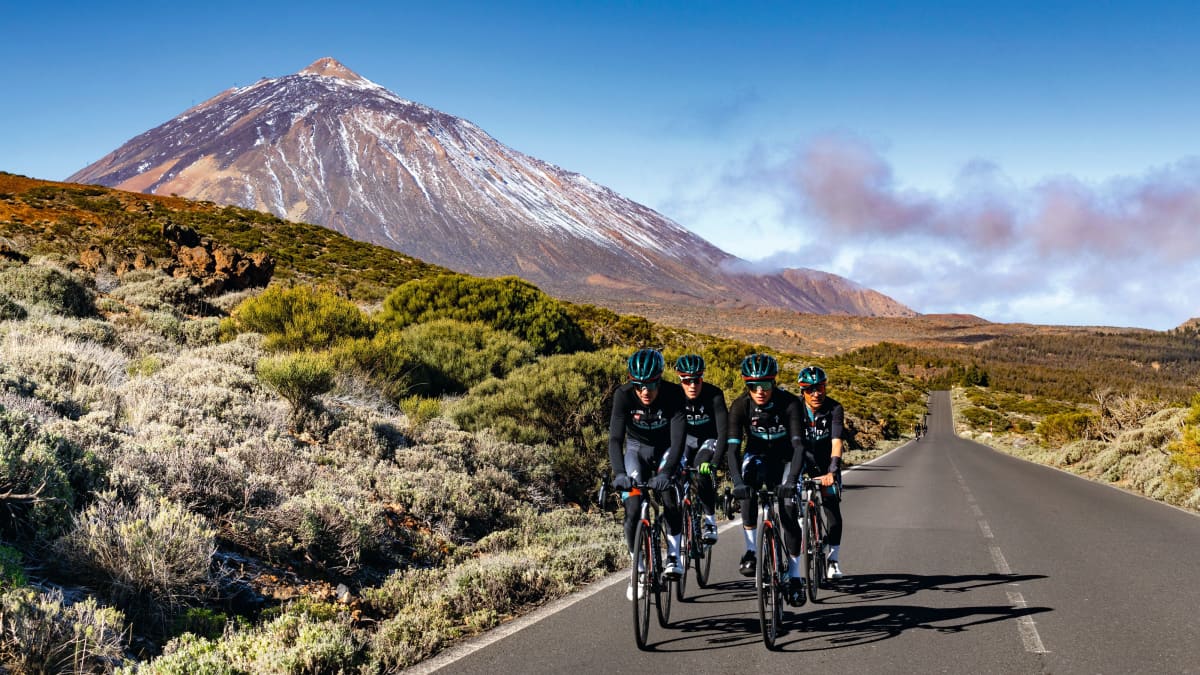
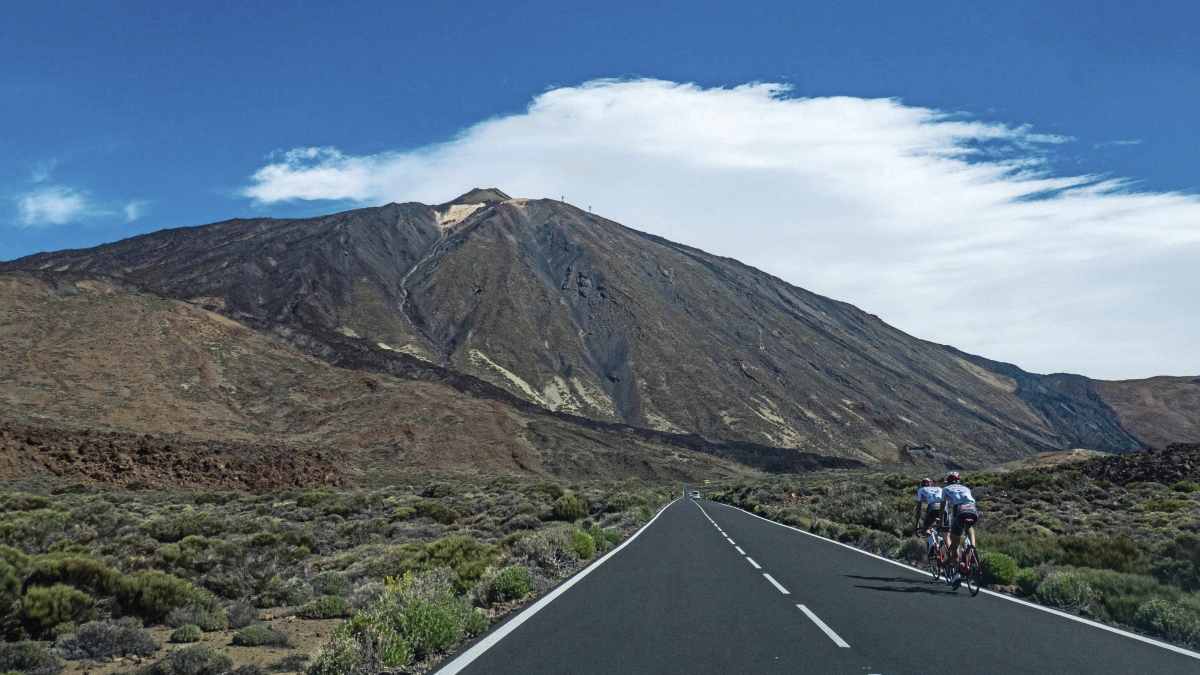
The principle of altitude training (hypoxia training) is based on the body's adaptation to an oxygen-poor environment. Due to the reduced air pressure at high altitudes (from approx. 1,800-2,500 metres), the partial pressure of oxygen in the air drops, which means that the body can absorb less oxygen with the same effort. Many cycling teams have been using altitude training for years. Well-known training locations include Tenerife (Teide), Livigno, Andorra, Tignes and the Sierra Nevada. A classic altitude training camp usually lasts two to three weeks. The improved oxygen transport capacity generated by altitude training lasts for around three to five weeks after returning to the lowlands - which is why the training camp should not take place too early before a relevant competition.

Kristian Bauer
Editor
