


The Tourmalet as a traditional turning point
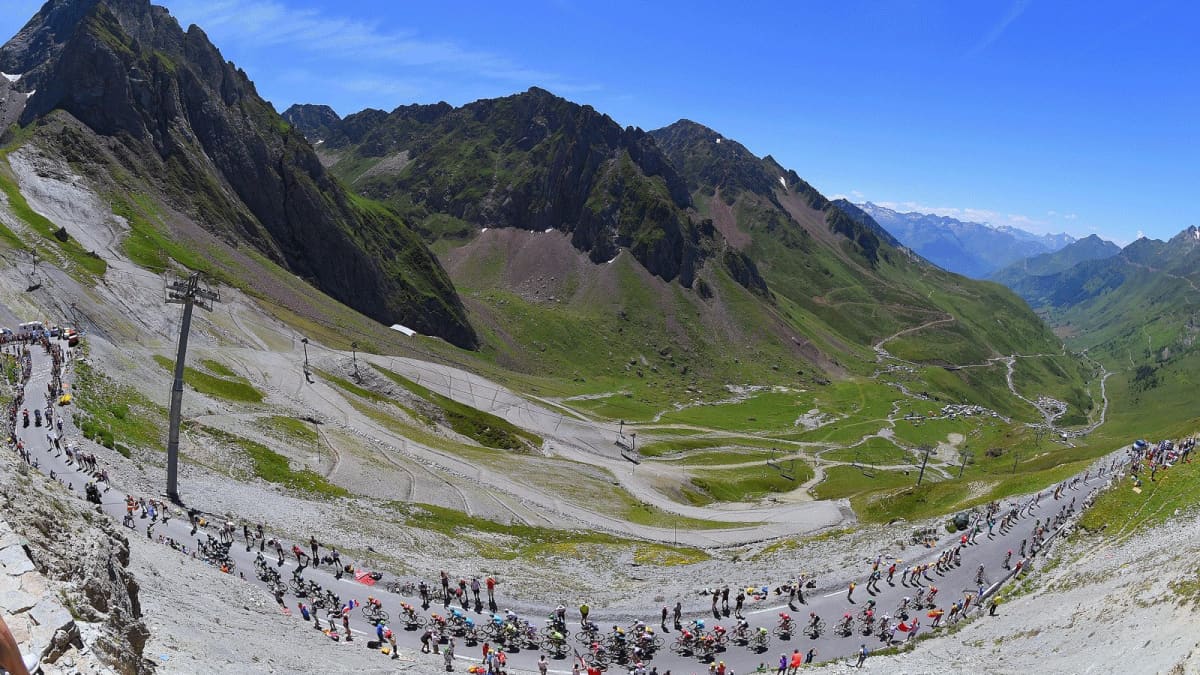
The Col du Tourmalet has played a major role as a kingmaker in the history of the Tour de France. The strategic importance of the Aspin-Tourmalet combination lies not only in the absolute metres in altitude, but also in its position within the stage. While the Col d'Aspin serves as a warm-up lap for the legs, the Tourmalet traditionally becomes the first real selection point of the grand tour. The 17.1 kilometre long ascent with an average gradient of 7.4 per cent has already ended or fuelled countless dreams of the yellow jersey. The tactical component will be particularly interesting, as there are still over 40 kilometres to the finish after the Tourmalet. This distance is long enough for spectacular solo rides, but also short enough to reward early attacks by the favourites. The rolling descent to Luz-Saint-Sauveur offers ideal conditions for breakaways to work together or for chasing groups to form, keeping the race exciting until the finish.
Pau: Pogačar's springboard to success
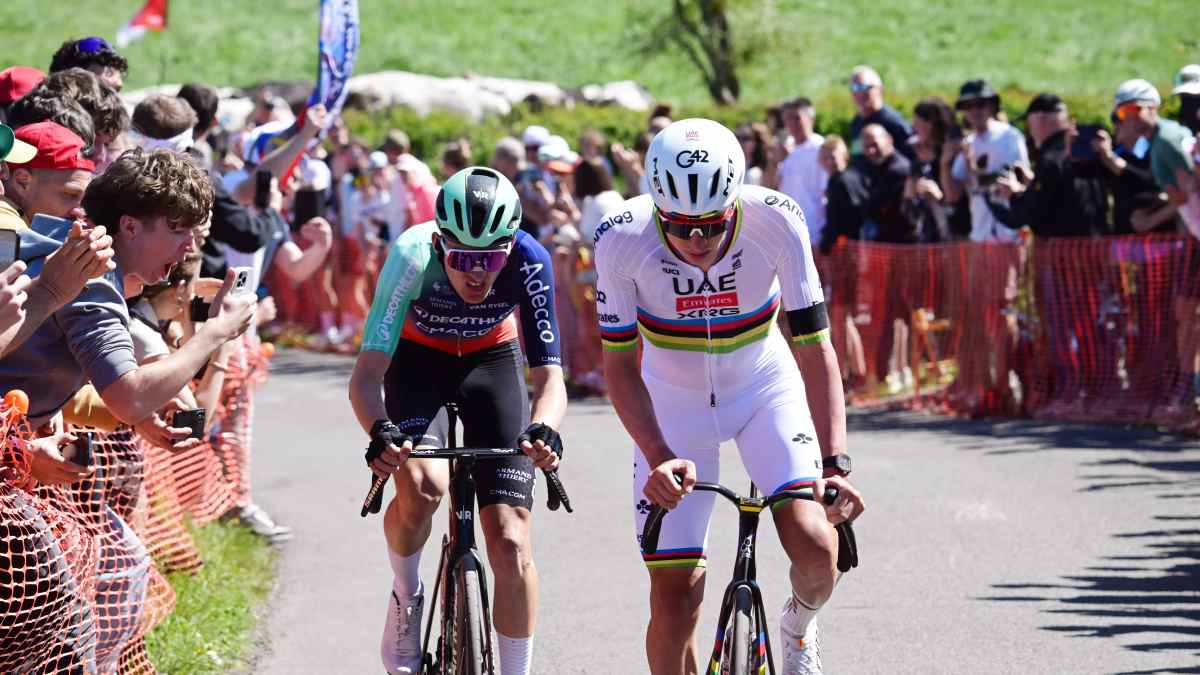
Tadej Pogačar's impressive track record adds a new dimension to Pau as a start venue for Pyrenean stages. His victories in 2020 in Laruns and 2021 in Luz-Ardiden from Pau show a remarkable pattern: the Slovenian seems to like the start location. The 186-kilometre route gives the riders enough time to mentally prepare for the challenges ahead, while the early, moderate climbs allow for natural selection. However, recent history warns of caution. Jai Hindley's surprising triumph in Laruns in 2023 proved that outsiders can also strike from Pau if the favourites reveal their cards too early. Thymen Arensmann's success in Superbagnères in 2025 underlined this lesson: even when Pogačar seems to hold all the trump cards, strong outliers can triumph from a controlled situation.

Gavarnie-Gèdre: Premiere with unknowns
The finish of the stage brings a new element into play. Gavarnie-Gèdre is new territory for the Tour de France. The 18.7 kilometre ascent to the Cirque de Gavarnie with an average gradient of 4 per cent differs from the steep ramps of classic mountain finishes. This rolling characteristic favours different types of riders and makes it particularly difficult to predict the outcome of the stage. The UNESCO World Heritage backdrop of the Cirque de Gavarnie provides a spectacular stage.
Scenario analysis: three paths to a decision
The favourites scenario would already begin on the Tourmalet. If the general classification contenders decide to make the stage their stage, attacks can be expected on the upper ramps of the Tourmalet. The remaining 40 kilometres would then become a time trial for the strongest riders, where every second counts for the overall classification. This scenario would create clear conditions early in the Tour and could already open up decisive gaps. The breakaway scenario, on the other hand, relies on the restraint of the big names. If the favourites neutralise each other and leave control to the helpers, a time window opens up for a strong breakaway group. The characteristics of the Gavarnie climb would then become the decisive factor: climbers with good basic speed could make the difference here, while pure mountain specialists would possibly lose out. The hybrid scenario is very likely: control up to Gavarnie, then an explosive decision in the final kilometres. The teams of the overall favourites would control the pace until the final climb before their captains strike in the final kilometres. This tactic would guarantee both spectacular images and time gaps without deciding the overall classification too early.
Tourmalet stage in the overall context of 2026
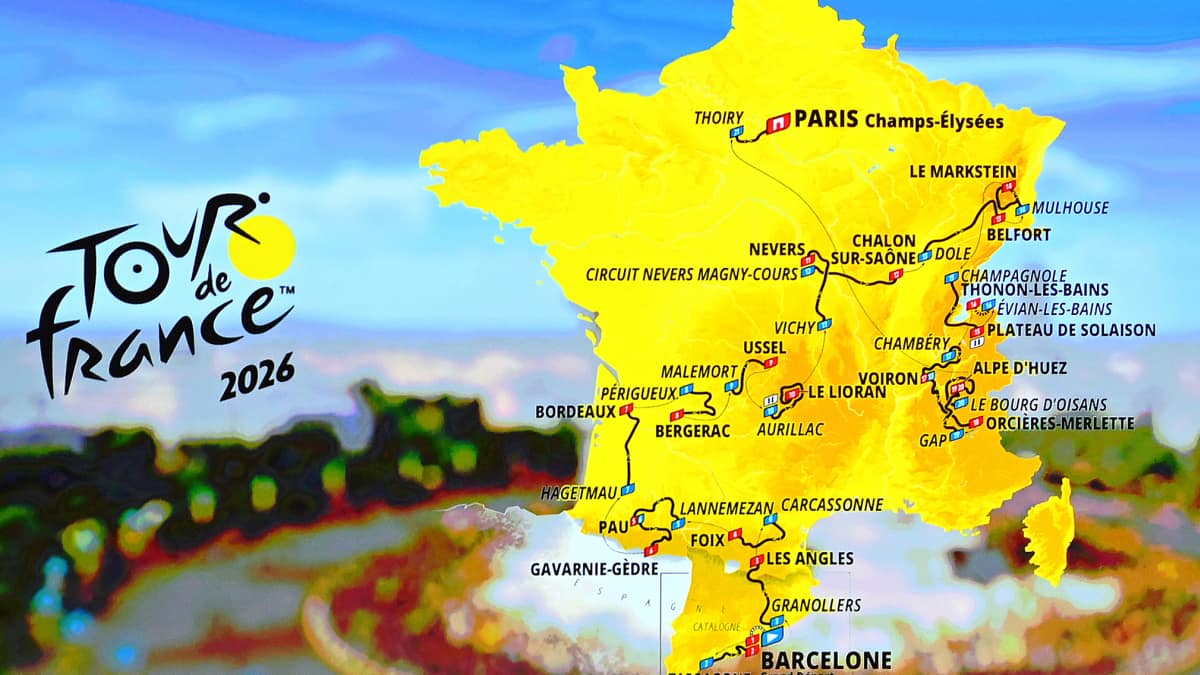
After the opening mountain stage to Les Angles (stage 3), which acted more as an appetiser, the Tourmalet-Gavarnie duo represents the first real tough test. The riders have recovered from the exertions of the first few days and form is beginning to show, but the big battles of stages 18 to 20 are still far enough away to justify tactical experiments. The psychological component of this early stage will be particularly interesting. Teams that are already under pressure here will have to rethink their strategy for the rest of the Tour. At the same time, early successes can boost self-confidence for the even tougher stages in the Alps.
Wind between Tourmalet and Gavarnie?
The wind conditions in the Pyrenees can also play a role on this day. The long approach through the valley to Gavarnie is known for changing wind directions, which can split the peloton even before the actual mountains are reached. Experienced sport directors will position their riders accordingly and possibly cause unrest early on in the stage. The material tactics will also be interesting: while the classic mountain transfer will be chosen for Tourmalet and Aspin, the easy Gavarnie ascent could pose different challenges.

Kristian Bauer
Editor