


In the footsteps of the Tour de France: The La Marmotte amateur race, featuring the Galibier and Alpe d’Huez
Kristian Bauer
· 25.05.2026

France loves and lives for cycling: across the country, there are hundreds of events, both large and small, for amateur cyclists. The cyclosportives, gran fondos and randos take riders up legendary Tour de France climbs such as Alpe d’Huez, Col du Galibier, Mont Ventoux and the Ballon d’Alsace. Riding at full speed on routes that have shaped the history of cycling – a must for all Tour fans. This time: La Marmotte Granfondo Alpes.
La Marmotte Granfondo Alpes (28 June 2026)
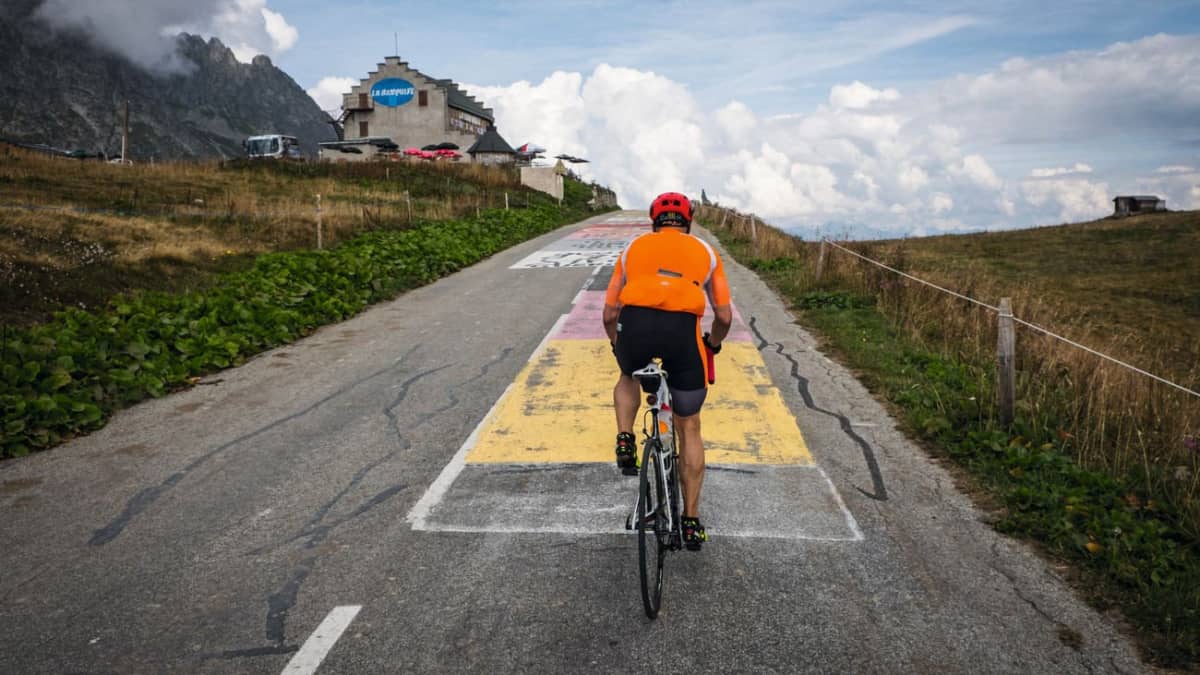
La Marmotte, one of France’s best-known cycling marathons, starts on 28 June 2026 in Bourg d’Oisans. The “Marmot” covers 177 kilometres with 5,000 metres of elevation gain through the French Alps. The route includes four iconic climbs: the Col du Glandon, the combination of the Col du Télégraphe and the Col du Galibier, and the final climb to Alpe d’Huez. The Col du Galibier, at an altitude of 2,642 m, can make the race particularly tough in terms of weather – single-digit temperatures are not uncommon. On a hot summer’s day, however, the final climb to Alpe d’Huez is particularly gruelling. La Marmotte is a must for every cycling fan – the international atmosphere, the professional organisation and the challenging route make the event an unforgettable experience. Traditionally, many international participants take part in La Marmotte Granfondo Alpes – particularly Belgians and Dutch cyclists. The race usually sells out well in advance – but there are alternatives available around the event weekend. The Rando des Marmotte involves covering the route over two days without being timed. Another option is the Grimpée Alpe d’Huez, a hill climb focusing on the 21 bends up to Alpe d’Huez.
Info: www.marmottegranfondoalpes.com
That’s why the Tour de France is such a cult event:
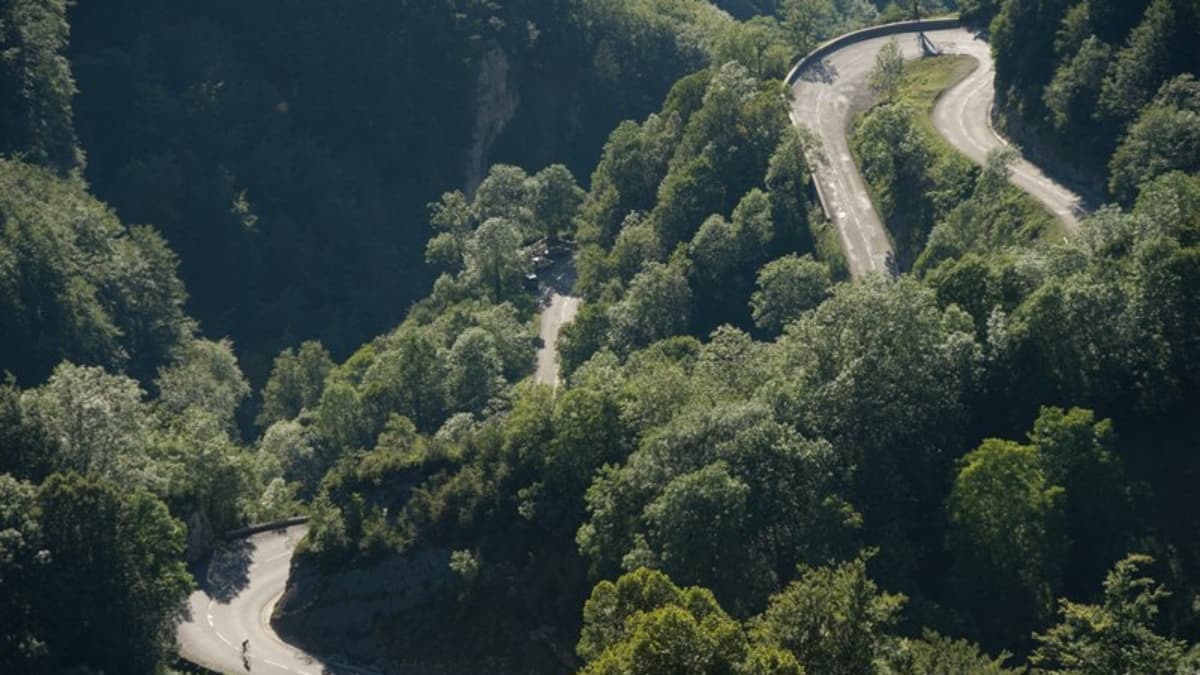
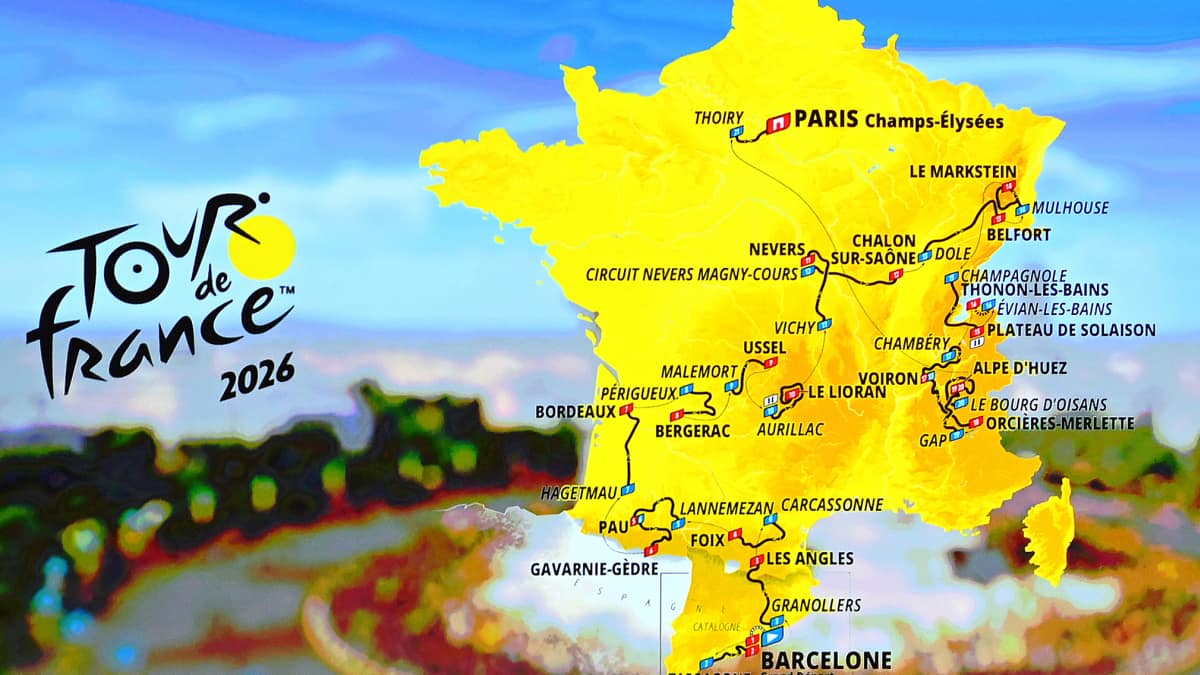
The Col du Galibier and Alpe d’Huez are two of the most significant climbs in the Tour de France. Legendary battles have taken place here, and many tours have been won or lost on these climbs. Whilst the Galibier is often the Tour’s toughest challenge and a serious foray into the high mountains, Alpe d’Huez impresses with its beautiful and steep hairpin bends. Anyone who has ever stood in the ‘Dutchman’s Bend’ knows why the Tour keeps returning to this mountain. This year, Alpe d’Huez takes centre stage on the Tour route. No other event offers more Tour de France history than the combination of the two legends, the Galibier and Alpe d’Huez, at La Marmotte.
Road cycling events in France
The names of events can be confusing. The international term ‘Gran Fondo’ is increasingly being used for timed events. Traditionally, a distinction is made between competitive races – ‘Cyclosportives’ (Cyclo), which are timed – and ‘Randonnées’ (Rando) or ‘Cyclotourisme’, which are not timed. For races with an official ranking, participants in France must present a racing licence or a current medical certificate confirming their fitness to participate in sport.

Kristian Bauer
Editor
