


Modern cycling has long since ceased to be merely a competition on the road. Behind the professionals’ successes today lies a vast apparatus comprising data analysis, training management and nutritional science. Hardly any other area has changed as dramatically in recent years as nutrition. This became apparent at our visit to Team Visma | Lease a Bike clearly. Daphne Steensma, Head of Performance, explained to us there what matters when it comes to nutrition and how the professionals approach their diet.
Just a few years ago, things were much simpler. It was only in 2018 that the team began regularly taking their own chef with them on the major stage races. Today, this has long been standard practice. Nutrition has now become an integral part of performance management and is planned down to the smallest detail.
The cycle computer determines the meal plan
At the heart of the system is a digital platform that brings together all relevant data on the riders. Each athlete has their own account on a nutrition app, which continuously calculates their individual energy and nutrient requirements.

The performance data from training sessions and races provides the basis for this. The figures recorded by a cycle computer during a stage are automatically analysed. The system uses this data to calculate the day’s energy expenditure and then determines how many calories, carbohydrates, proteins or fibre are required.
However, the work does not end with the calculation. The meals themselves are also recorded in detail. The performance team enters the prepared dishes into the system. The software then calculates the required portion for each individual, accurate to the gram. How much pasta goes on the plate and how large the portion of sauce should be is therefore by no means left to chance.
What happens if your hunger levels don’t match those shown by the app?
One question immediately sprang to mind: what actually happens if a professional athlete has no appetite, or, conversely, feels much hungrier than expected?
According to Steensma, the system is not quite as strict as it might initially sound. Minor deviations are certainly possible. At the same time, however, it also depends on the role and objectives of the individual rider. During a major stage race, energy intake should be as precise as possible.
It’s no wonder, as the demands are enormous. During the major races, many professionals have five meals a day on their schedule. On top of that, they have various snacks between meals. In total, many riders need to consume just under 8,000 kilocalories a day to offset their energy expenditure.
Why potatoes are usually only served on days off
One term kept cropping up during the talk: ‘low fibre’. This refers to a diet low in fibre. Fibre is generally regarded as an important component of a healthy diet and continues to play a key role outside of races. During long and intense periods of exertion, however, it can place additional strain on digestion or make it more difficult to absorb the energy required. During competition phases, the focus is therefore primarily on one nutrient: carbohydrates.
What’s interesting here is the role of the potato. Although it’s traditionally regarded as a source of carbohydrates, during a stage race it usually only features on the menu on rest days. The reason is simple. Cooked potatoes provide around 17 grams of carbohydrates per 100 grams. Rice or pasta contain almost twice as many in the same quantity.
Given the high energy requirements in professional cycling, enormous quantities of potatoes would therefore be needed. The problem would be less the energy intake and more the feeling of fullness. In other words, the professionals would struggle to eat the quantities required.
Freedom rather than a food police force
In contrast, the team takes a surprisingly relaxed approach to nutrition outside of competition. Whilst the riders continue to receive recommendations via the app, nobody is obliged to stick meticulously to a diet plan.
Anyone who wishes to can even take photos of their meals and upload them. The software analyses the food and calculates the corresponding nutritional values. Nevertheless, the focus is not on control, but on the athletes’ personal responsibility.
However, this doesn’t come without consequences. Regular performance assessments, as well as weigh-ins and body measurements, follow soon enough. It is at this stage, at the latest, that it becomes clear whether their diet is in line with their fitness goals. After all, nobody wants to carry a single kilogram more than necessary up the mountain. Steensma reveals that these freedoms are used in very different ways. Some professionals continue to stick strictly to the plan, whilst others are quite happy to take a more relaxed approach to their diet from time to time. One sentence that sticks in my mind is: “At the end of the day, it’s simply their job; that’s how they earn their living.”
The battle for power sockets and differing eating habits
As well as sharing scientific insights, Steensma also recounted some entertaining stories from the team’s day-to-day life. For instance, at smaller races and in some hotels, the power supply can sometimes be a bigger problem than the food itself. When several teams are staying in the same hotel, it’s quite possible that there simply aren’t enough sockets for computers, kitchen appliances and other equipment. This can lead to a veritable competition for the best spots at the few available sockets.
An interesting difference between the women’s and men’s teams also became apparent when it came to meal plans. When asked whether the athletes make any requests regarding the menu, Steensma had to smile. The men usually only look at the menu shortly before each meal. They then generally just eat whatever has been prepared.
With the women, however, things are often quite different. It is not uncommon for them to have already studied the menu days in advance. Requests for changes or suggestions for specific dishes are not uncommon. Some of the female drivers even get in touch specifically if they notice that a favourite dish is missing from the menu.
Data, science and a plate of pasta
The talk provided a compelling demonstration of just how professionally nutrition is now managed in modern cycling. What used to be based largely on experience and gut instinct is now guided by performance data, software and scientific findings.
Despite all the technology, however, Team Visma | Lease a Bike still puts people first. After all, in the end, it is not just an algorithm that determines success or failure, but also the ability to reconcile individual needs with the demands of one of the toughest endurance sports in the world. And sometimes, it’s simply a matter of whether there’s still a free socket to be found in the hotel.
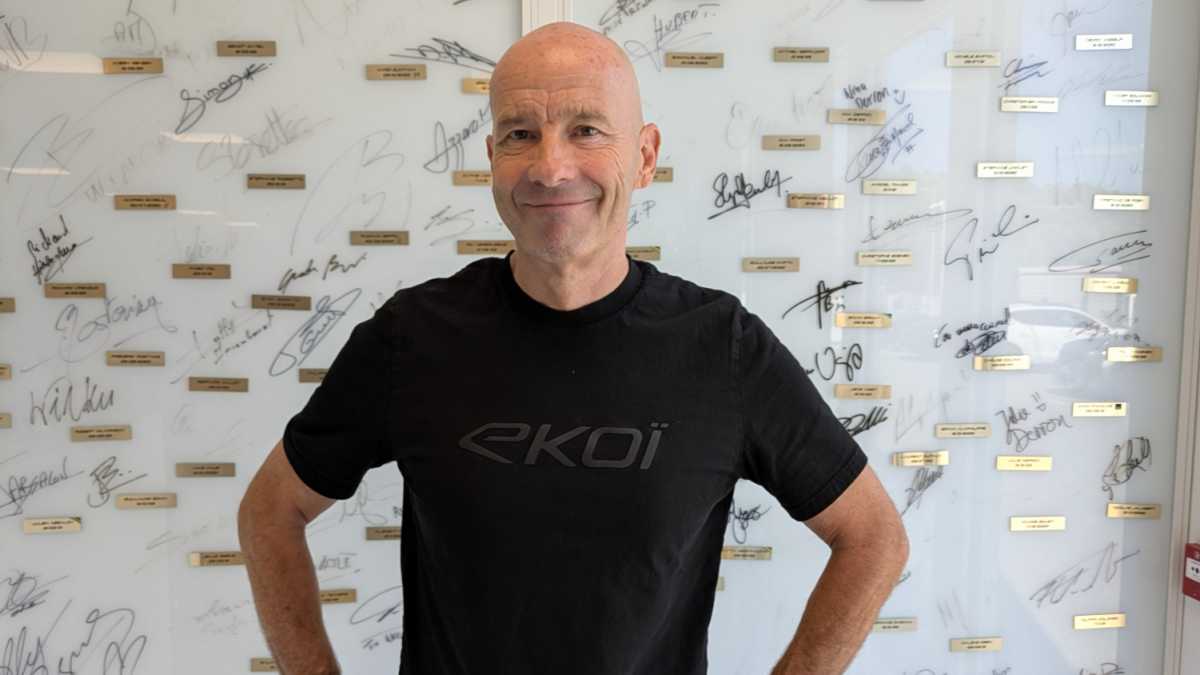

Leon Weidner
Editor