


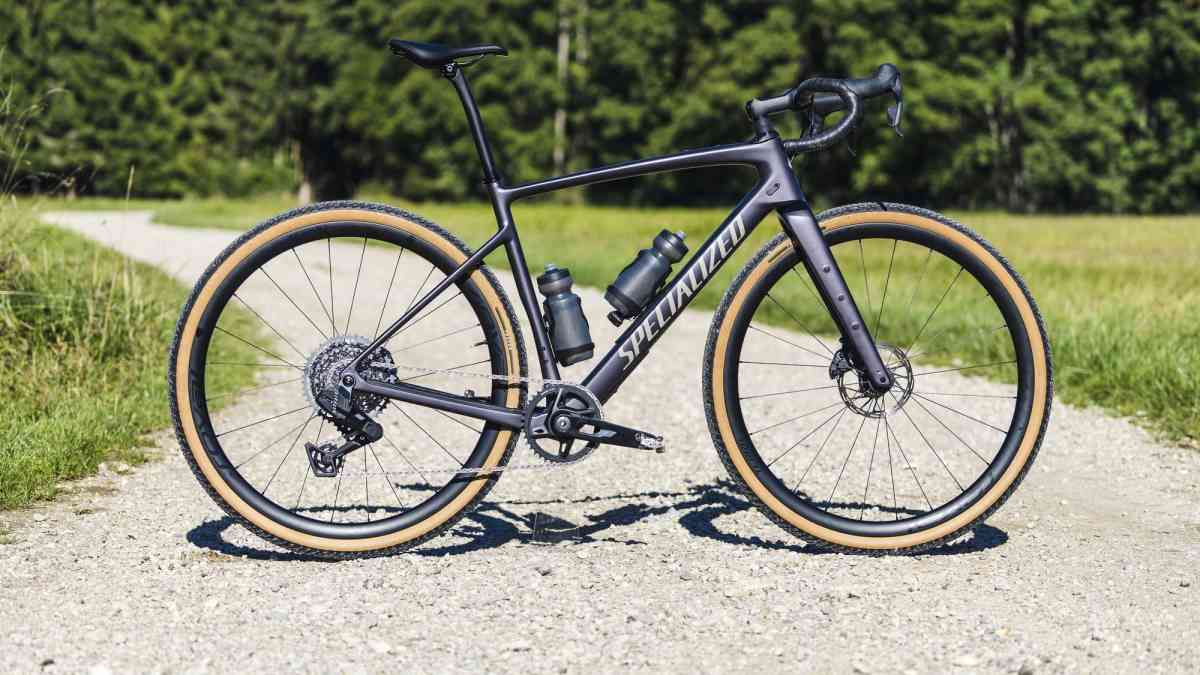
Specialized Diverge 4 Sport Alloy: An aluminium gravel bike at an affordable price
Josh Welz
· 14.06.2026


In this article, we use so-called affiliate links. With every purchase through these links, we receive a commission from the merchant. All relevant referral links are marked with . Learn more.
Editor's conclusion
The Specialized Diverge 4 Sport Alloy In our BIKE-Check, it comes across as a well-balanced all-rounder for gravel beginners. The geometry, ride feel and versatility are impressive, and the spec is practical. The 11-speed Shimano Cues is a bit of a let-down. Although robust thanks to its Linkglide cassette, it falls short in terms of range and gear ratios. However, anyone looking for a solid, value-retaining branded bike who can overlook the weight will find the Diverge 4 Sport Alloy to be a versatile bike.
A premium brand image at an affordable price
In recent years, the gravel bike has evolved from a niche product into a massive trend. Right at the heart of it all: the iconic US brand Specialized. With the Diverge 4 Sport Alloy, the Californian company is sending a strong signal to anyone looking for a high-quality yet affordable entry-level model with a strong brand image. As the most affordable aluminium model in the current Diverge range, it is specifically aimed at gravel newcomers, commuters and touring cyclists looking for a robust ‘do-it-all’ bike for everyday use and weekends. It’s suitable for a wide range of terrain: it bridges the gap between tarmac roads, forest tracks and challenging gravel trails. Thanks to its aluminium frame and robust Shimano Cues drivetrain, the focus is more on durability than on performance.

The Specialized range: models and prices
To properly understand the Diverge 4 Sport Alloy, it’s worth taking a look at Specialized’s versatile range of gravel bikes. The brand divides its off-road range into three model lines:
- Crux: The ultra-light, race-oriented bike for ambitious gravel riders
- Turbo Creo: The e-gravel version with a built-in tailwind guarantee
- Diverge: The classic, versatile gravel all-rounder, designed for comfort, a smooth ride and durability
Within these ranges, the model designation determines the specifications and frame material. For the carbon models, the range extends from the top-of-the-range Pro and Expert models, through the upper mid-range Comp model, to the entry-level carbon model, the Sport.
Those who prefer aluminium will find the Comp and Sport models in the Alloy range, the latter of which is featured here. Depending on the model variant, Specialized often gives riders the choice between the two major component manufacturers, Shimano and Sram.
In terms of price, Specialized’s range covers a wide spectrum. Whilst the S-Works and Pro Carbon models can easily exceed the €7,000 to €10,000 mark, the Comp Carbon models are usually priced between €3,500 and €5,000. The Diverge 4 Sport Alloy offers a welcome alternative here: it provides an entry point into the premium brand’s range for just €2,299, making it a much more budget-friendly option.
Frame and geometry: Sturdy and comfortable
Specialized has given the aluminium model exactly the same balanced geometry that characterises its more expensive carbon counterparts. Compared to purebred, aggressive race gravel bikes, the reach is slightly longer and the head angle slightly flatter. This moves the front wheel further forward. Together with the 430mm chainstays, this ensures a smooth ride – the bike feels secure on fast gravel descents.
The noticeably higher stack height, combined with a moderate seat tube angle, creates a comfortable, upright riding position that’s ideal for long distances. You sit more ‘in’ than ‘on’ the bike. Whilst pure race bikes feel a touch livelier when accelerating, the Diverge scores highly on rough terrain and long distances with comfort and control. Specialized’s Future Shock 3.1 suspension system also contributes to this. Hidden within the head tube, the system provides 20 mm of hydraulically damped travel and effectively filters out vibrations on rough terrain. However, the suspension also adds to the weight: at 10.2 kg (frame size 52), the Diverge 4 Alloy is no lightweight.
Geometry table
| Frame height | 49 | 52 | 54 | 56 | 58 | 61 |
| Crank length | 170 mm | 170 mm | 172.5 mm | 172.5 mm | 175 mm | 175 mm |
| Handlebar width | 380 mm | 400 mm | 420 mm | 420 mm | 440 mm | 440 mm |
| Stem length | 60 mm | 70 mm | 80 mm | 90 mm | 100 mm | 100 mm |
| Saddle width | 155 mm | 155 mm | 143 mm | 143 mm | 143 mm | 143 mm |
| Seatpost length | 350 mm | 350 mm | 400 mm | 400 mm | 400 mm | 400 mm |
| Stack | 563 mm | 578 mm | 592 mm | 610 mm | 634 mm | 659 mm |
| Reach | 365 mm | 374 mm | 387 mm | 400 mm | 412 mm | 425 mm |
| Head tube length | 90 mm | 104 mm | 116 mm | 135 mm | 161 mm | 187 mm |
| Head tube angle | 70° | 70.5° | 71° | 71° | 71° | 71° |
| Bottom bracket lowering | 85 mm | 85 mm | 85 mm | 85 mm | 85 mm | 85 mm |
| Trail | 72 mm | 68 mm | 65 mm | 65 mm | 65 mm | 65 mm |
| Fork length (complete) | 391 mm | 391 mm | 391 mm | 391 mm | 391 mm | 391 mm |
| Fork offset | 55 mm | 55 mm | 55 mm | 55 mm | 55 mm | 55 mm |
| Chainstay length | 430 mm | 430 mm | 430 mm | 430 mm | 430 mm | 430 mm |
| Wheelbase | 1019 mm | 1031 mm | 1041 mm | 1060 mm | 1081 mm | 1102 mm |
| Top tube length | 521 mm | 537 mm | 556 mm | 575 mm | 593 mm | 613 mm |
| Overhang height | 700 mm | 725 mm | 754 mm | 779 mm | 805 mm | 832 mm |
| Seat tube length | 400 mm | 430 mm | 470 mm | 500 mm | 530 mm | 560 mm |
| Seat tube angle | 74.5° | 74° | 74° | 74° | 74° | 74° |
Key facts about the Diverge 4 Sport Alloy:
- Price: €2,299 >> available here
- Weight: 10.2 kg (BIKE measurement, frame size 52)
- Frame material: Aluminium frame, integrated cable routing, Future Shock 3.1 suspension, integrated storage compartment
- Fork: Carbon
- Frame sizes: 49, 52, 54, 56, 58, 61 cm
- Ground clearance: 50 mm
- Drive/Gearbox: Shimano Cues 1x11
- Brakes: Shimano Cues hydraulic disc brakes
- Tyres: Specialized Tracer TLR All-Terrain Gravel, 45 mm
- Wheels: Axis Elite Disc
- Handlebars: Specialized Adventure Gear Hover, 103 mm drop, 70 mm reach, 12° flare
Aluminium vs. Carbon: The internal battle
One might wonder whether the A surcharge of €1,200 on top of the price of the Diverge Sport Carbon A closer look reveals that it’s worth it: the geometry is absolutely identical, which is why the basic handling and riding position are virtually the same.
The biggest difference, naturally, lies in the frame material. Whilst the carbon model is about a kilo lighter and, thanks to its design, offers slightly better rear suspension, the Sport Alloy counters this with straightforward robustness. If you chain your bike to a bike rack every day or fit panniers for bikepacking, you needn’t worry at all with the E5 aluminium frame. In terms of frame features, the aluminium model actually offers even more flexibility for luggage racks and mudguards thanks to numerous mounting points on the frame and fork. A clear advantage for the carbon model: with the 12-speed Shimano GRX and a 10-51 cassette, the drivetrain offers a wider range and finer gear spacing.
Test drive: A reliable all-rounder
So how does the Diverge 4 Sport Alloy perform in practice? Anyone who remembers our review of the outrageously expensive Diverge Expert AXS (see link below) will be familiar with its balanced riding position and high level of comfort thanks to Future Shock suspension. The aluminium model scores highly in this respect too. Right from the first few metres, the bike conveys the same confidence-inspiring tracking as the high-end model. Thanks to the stiff carbon fork, the bike steers precisely. The Shimano CUES drivetrain proves to be a good match off-road: The gears shift crisply and reliably under load, and thanks to the damped rear derailleur, the chain stays where it should even on rough, root-covered sections. Yes, on steep climbs you can feel the higher overall weight compared to a €5,000 carbon beast. And a lower gear for climbing would also be helpful. But as soon as the trail flattens out or heads downhill, the Diverge Alloy rolls over rough and smooth terrain as if on rails.


Josh Welz
Editor-in-Chief