


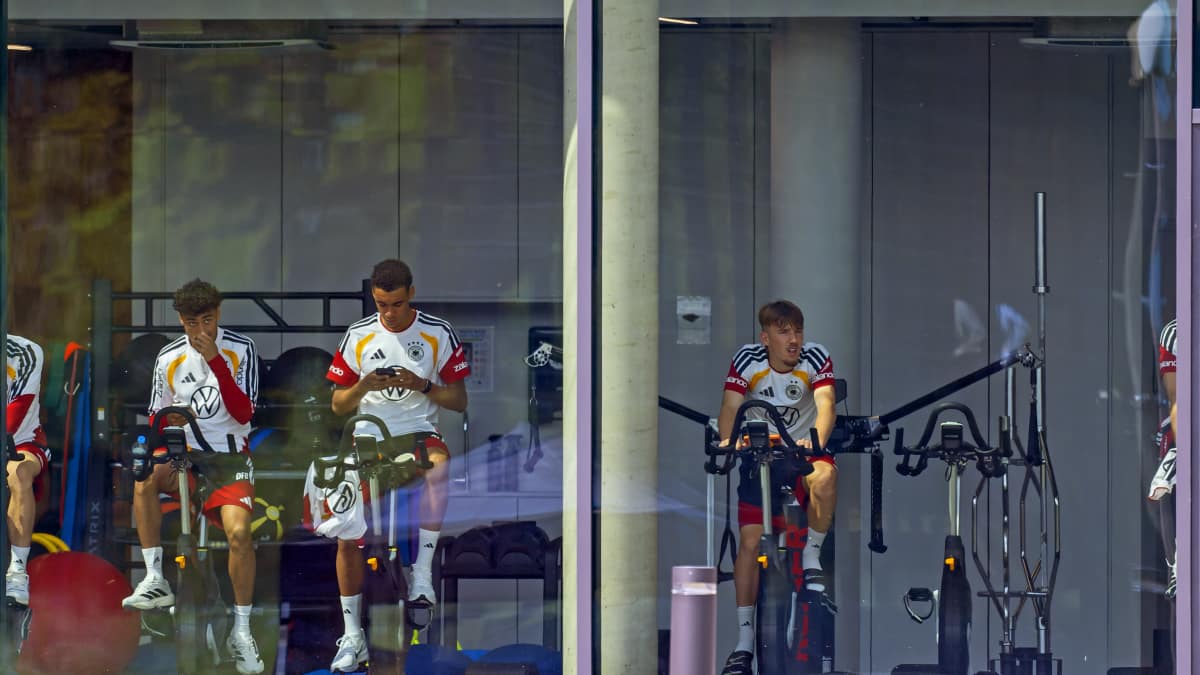
It's one of those seemingly simple questions that regularly causes heated discussions: who is the better athlete, footballer or cyclist? At small cycling races, you regularly see cardboard signs with the words "If it were easy, it would be football". But that's not the whole truth. Both sports demand extreme physical performance, both have their own stress profiles, and both produce world-class athletes. "Fitter" is not a clearly defined term. It depends on what you mean by it.
Football vs cycling: two completely different requirements
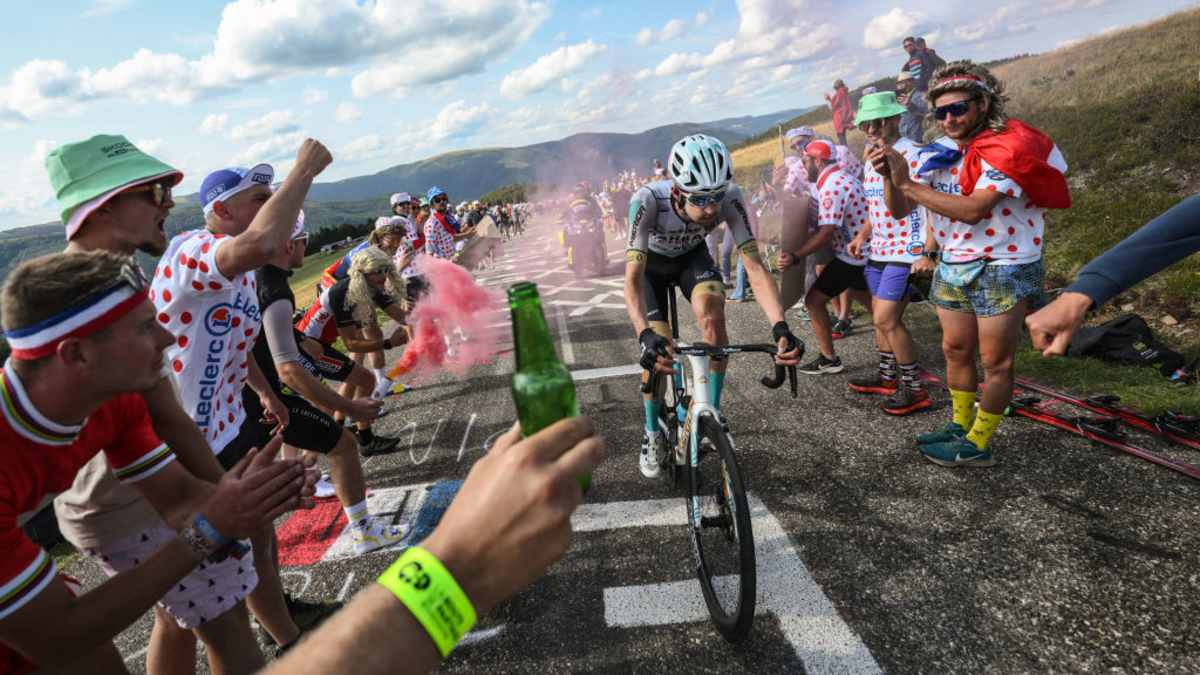
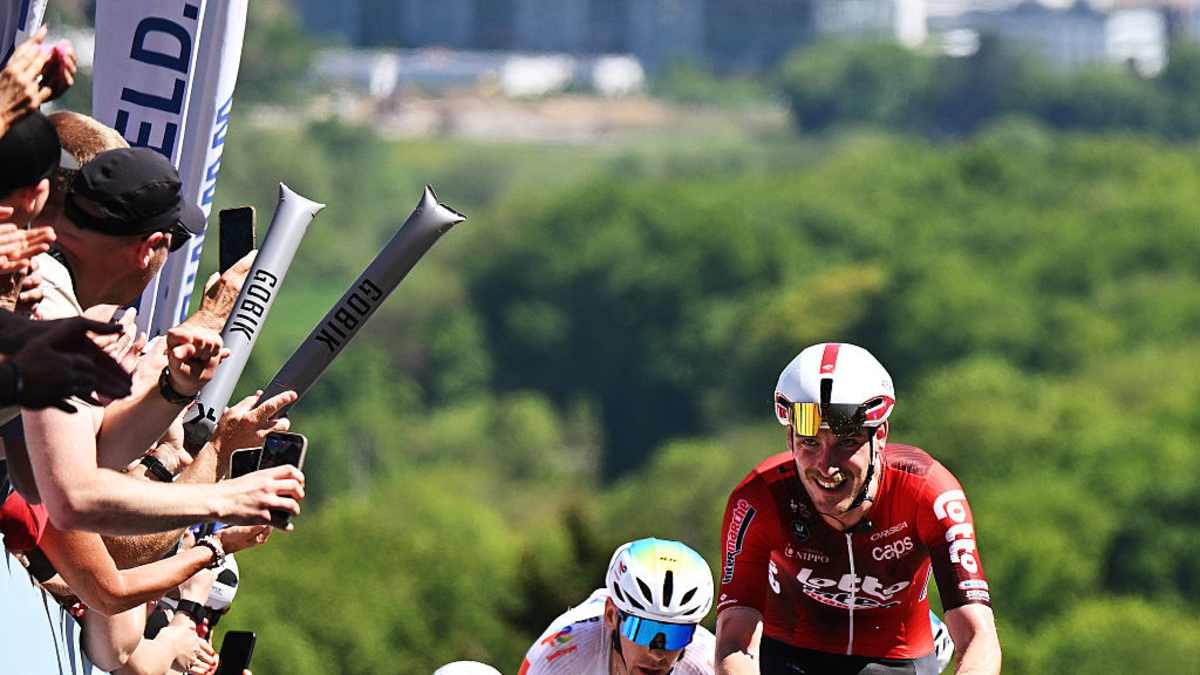
Football is an interval sport. Sprints, changes of direction, duels and short recovery phases alternate for 90 minutes. A professional often covers 10 to 13 kilometres - with dozens of explosive actions. It's all about acceleration, speed, coordination, technique and intelligence. Cycling, on the other hand, especially on the road, is a monster of endurance. Stages of 150 to 200 kilometres, several days in a row, often with extreme metres in altitude. What counts here is the ability to perform at a high level for hours on end. The cardiovascular system, lactate tolerance and efficiency take centre stage.
A look at the figures
Cyclists are clearly ahead when it comes to classic endurance fitness. Their maximum oxygen uptake (VO₂max) is one of the highest in all of sport. Peak values of over 80 ml/kg/min are not uncommon, a range that footballers rarely reach. Professional cyclists also dominate in terms of body fat percentage and energy efficiency. They are optimised to use energy as sparingly and evenly as possible over long periods of time. But football has completely different requirements: It is less about maximum continuous performance and more about repeated high-intensity phases. A footballer must be able to sprint, slow down, turn and immediately accelerate again within a few seconds, and this over a period of 90 minutes. This ability to go to the maximum load again and again is extremely demanding.

Football: strength, explosiveness and technique
Footballers have advantages when it comes to explosiveness. Their musculature is more geared towards speed. Sprints, jumps and duels not only require energy, but also strength and responsiveness. Cyclists, on the other hand, develop enormous relative continuous power, measured in watts per kilogramme. Over long periods of time, they can call up performance that is almost unimaginable for other athletes. But this power is less explosive and more constant. What's more, football is a complex team sport with a ball. Technique, decision-making and tactical understanding play an enormous role. These cognitive demands also increase the overall load, but in a different way to cycling.
So who is "fitter"?
The honest answer: there is no one-size-fits-all answer. It depends on how you define fitness.
- Endurance (over hours): Cycling advantage
- Explosiveness and sprinting ability: Football advantage
- Exposure duration (several days): Clear advantage in cycling
- Versatility (strength, coordination, technique): Football advantage
A professional cyclist would quickly reach their limits in a football match, especially when changing direction quickly and sprinting. Conversely, a footballer would have great difficulty keeping up with the pace of the best cyclists for several hours in the high mountains.
The more exciting point: specific fitness
The comparison actually shows one thing above all: fitness is highly sport-specific. Both types of athletes are perfectly trained for their respective requirements. A Giro or Tour rider is perhaps the epitome of endurance and efficiency. A top footballer, on the other hand, embodies a mixture of endurance, speed, technique and tactical thinking.
Conclusion
The question "Who is fitter?" cannot be answered unequivocally and that is precisely what makes it so interesting. Cyclists are the ultimate endurance athletes, footballers the more versatile all-rounders under high intensity. In the end, it is less an either-or than a comparison of two extremes. Or to put it another way: one dominates the hours, the other the seconds.

Leon Weidner
Editor