


Important helpers along the route: Indispensable in the cobblestone classic
Leon Weidner
· 03.04.2026


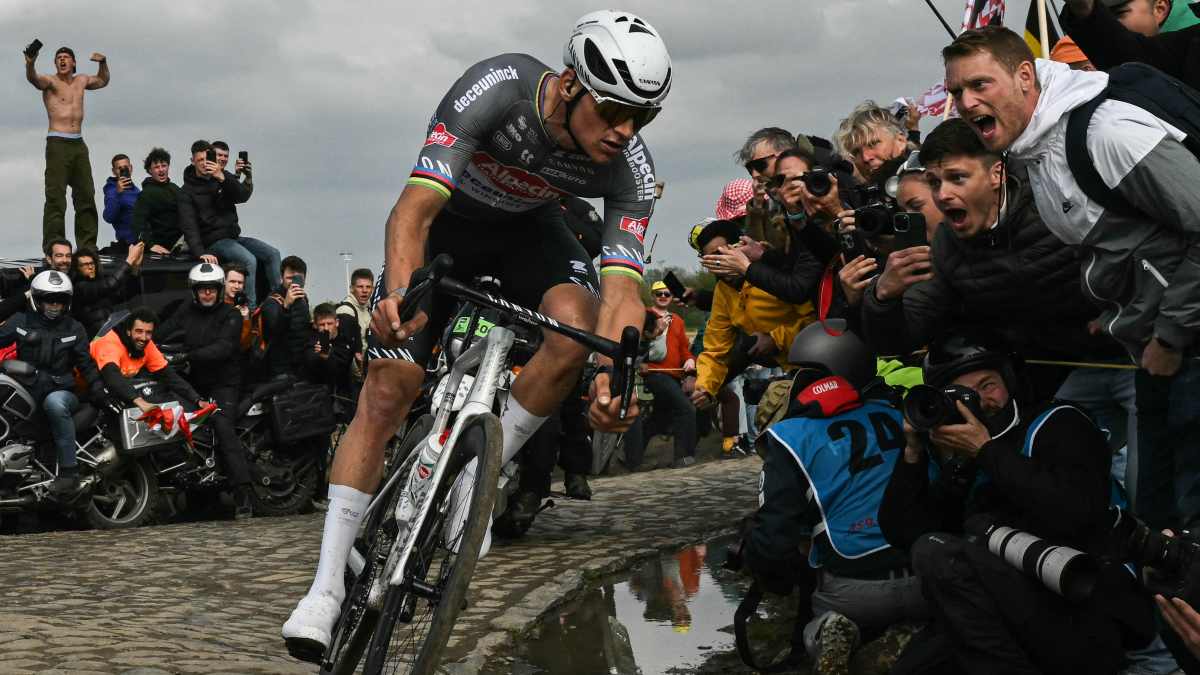
Especially in classic races with narrow roads, blind corners and densely packed spectators, helpers along the route are a real safety and success factor. That's why you see them again and again: stretched out on the edge, holding a wheel high in the air, ready for the fastest exchange of the day. After all, the cobblestones not only demand everything from the pros, but also push the equipment to its limits - and sometimes beyond.
Why classics create special conditions
Classics often lead through narrow villages, along winding country roads, dirt tracks and sections where it is difficult for a team car to get to the front. Even if the car is close by, it can get stuck in a traffic jam behind a race situation or fail to catch up in time due to road closures and bottlenecks.
What's more, pavements, potholes, edges and gravel increase the risk of defects. A flat tyre or a damaged wheel is not the exception here, but part of the game. If you want to get back in the race quickly, you need help that is already in the right place.
What helpers really do along the route
The helpers' task looks simple from the outside, but is highly precise. They not only have to have materials ready, but also have to have timing, an overview and strong nerves. In addition to providing wheels in predetermined areas, handing over a bottle can also make all the difference. There is often only one chance. Once the helper is ready in one place, it is difficult to quickly change position from there. In addition to wheels and bottles, information is also passed on that can serve as a basis for riders to make important tactical decisions.
The "wheel in the air" signal and why it is so important
The image is iconic: a helper stands on the edge, a wheel high above his head. This signal is more than a tradition, it is communication under high pressure. A wheel held high ensures that the rider recognises it immediately as they pass. In a situation with noise, speed and crowds, visibility is the most important currency. The helper shows: "Here is your solution, this is where you lose the least time." At the same time, the signal also helps team colleagues to categorise the situation more quickly and coordinate the process. The decisive factor is this: In a classic race, a defect can turn a podium contender into someone who loses touch within 20 seconds. Helpers drastically reduce this risk.
Conclusion: Helpers are the invisible drive of the classics
Classics are rough, fast and unpredictable. Ideally, the team car would move forwards immediately in the event of a defect, but in reality this is often impossible in classics. This is precisely why helpers on the track are so crucial. If the team car doesn't make it through, if the field falls apart or if a defect occurs at the wrong moment, they are the fastest connection back to the race. And the next time you see a wheel in the air at the side of the track, you know: It's not just a subject for the camera. This is everyday racing - and often the moment when a classic gets a new story.


Leon Weidner
Editor
