


With the Canyon Predict, the Koblenz-based manufacturer is presenting a concept that applies safety technology from the automotive industry to cycling. Whilst the number of fatalities among motorists has fallen over the last ten years, Canyon states that there have been no significant improvements in safety for cyclists. In many countries, the number of deaths and injuries among cyclists is actually rising. Fedja Delic from Canyon explains in a press release that many people do not feel safe enough to cycle at all. The Predict system is designed to bridge this gap without compromising the riding experience of a high-end road bike.
System architecture and sensor technology
The Predict Bike uses multimodal 360° sensor technology comprising a camera, radar and a multi-dimensional motion sensor in the DT Swiss wheel hub. The sensors continuously monitor the surroundings and detect hazards in real time. Using ride data such as speed, steering behaviour and stability, the system creates a situational model that goes far beyond simply detecting the traffic environment. AI-powered on-device data processing eliminates blind spots and enables immediate decision-making whilst ensuring data privacy, regardless of whether an internet connection is available.

Display integration and helmet system
The display integrated into the handlebars shows warnings about the bike and the surroundings, predictions, distances, terrain recognition and group support. The Stingr Smart augmented reality helmet complements the system with a retractable visor and an integrated head-up display. When several compatible systems are riding together, the system enables community or swarm intelligence. The system anticipates the behaviour of the rider and other road users, assesses risks and provides intuitive feedback in the form of adaptive lighting, haptic signals and information on the display.
Canyon Predict safety features
In critical situations, the rider can react in a more targeted way than simply applying the brakes. Adaptive features such as the automatic lowering of the seat post are designed to provide a lower centre of gravity, greater stability and control before an accident occurs. Rather than relying on cloud computing and the associated latency and data privacy issues, the system processes all data using local edge AI. The system is designed to enhance awareness of the entire surroundings and significantly reduce reaction times in the event of potential hazards.
Applications of the Canyon Predict
The Predict system is designed to anticipate hazards and the behaviour of other road users, recognise group dynamics, provide route guidance and warn of unsafe terrain before the rider is able to do so. Kasia Niewiadoma-Phinney of the CANYON//SRAM Racing Team sees many situations during training and road races where data from the bike and other safety measures relating to other road users would be helpful. The system is designed to determine the rider’s position within the peloton at any speed and at any given moment. Mazen Jrab, lead IoT hardware developer at Canyon, explains that the system aims to take safety from the reactive to the predictive era. By combining real-time situational awareness with ride data, the system is designed to improve control in critical situations and, through timely warnings and interventions, prevent accidents or make them less dangerous.
A PR stunt or a realistic vision of the future?
The concept is certainly set to attract a great deal of public attention. So far, the Canyon Predict road bike is merely a prototype – whether it will ever be brought to market and whether the systems described will work as promised remains to be seen. Too much information that tends to be distracting, excessively high production costs or the weight could prove to be stumbling blocks.
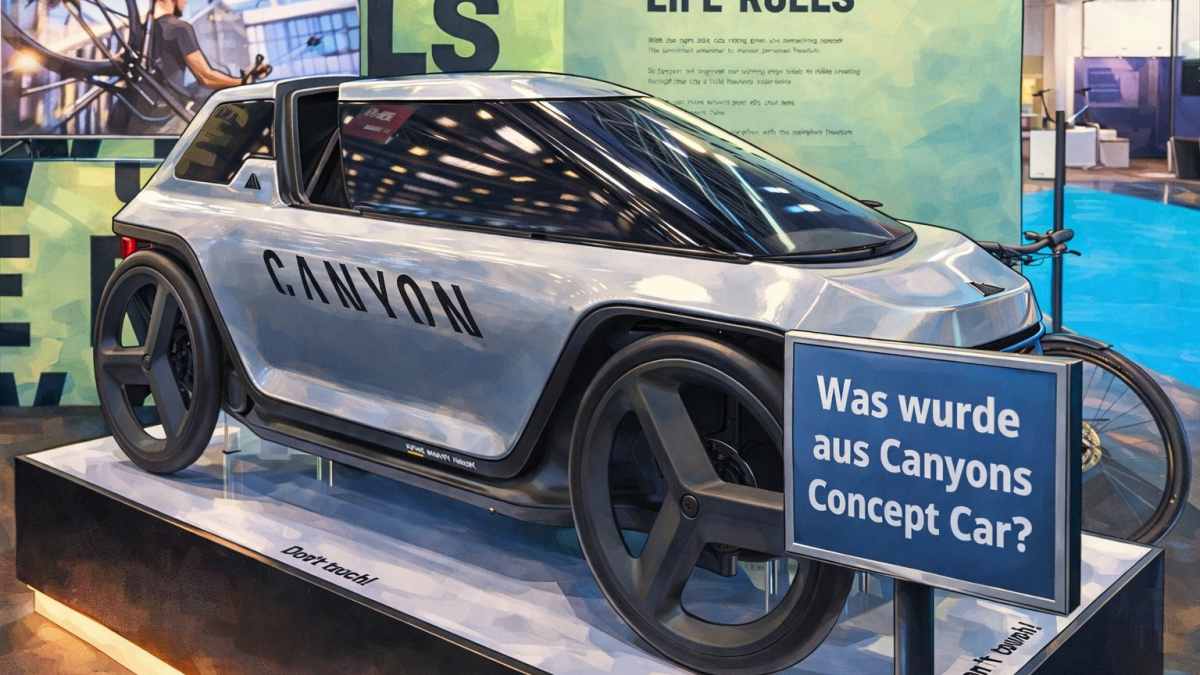
One cannot help but think of Canyon’s latest grand vision for the future: in 2021, the Koblenz-based company unveiled the ‘Future Mobility Concept’ – a two-track e-bike on which you sit in a position similar to that of a recumbent bike. It was intended to redefine mobility as a new category between e-bikes and cars. However, following the presentation, the pedal-powered vehicle was shelved. Whether it will ever be brought out again remains to be seen.
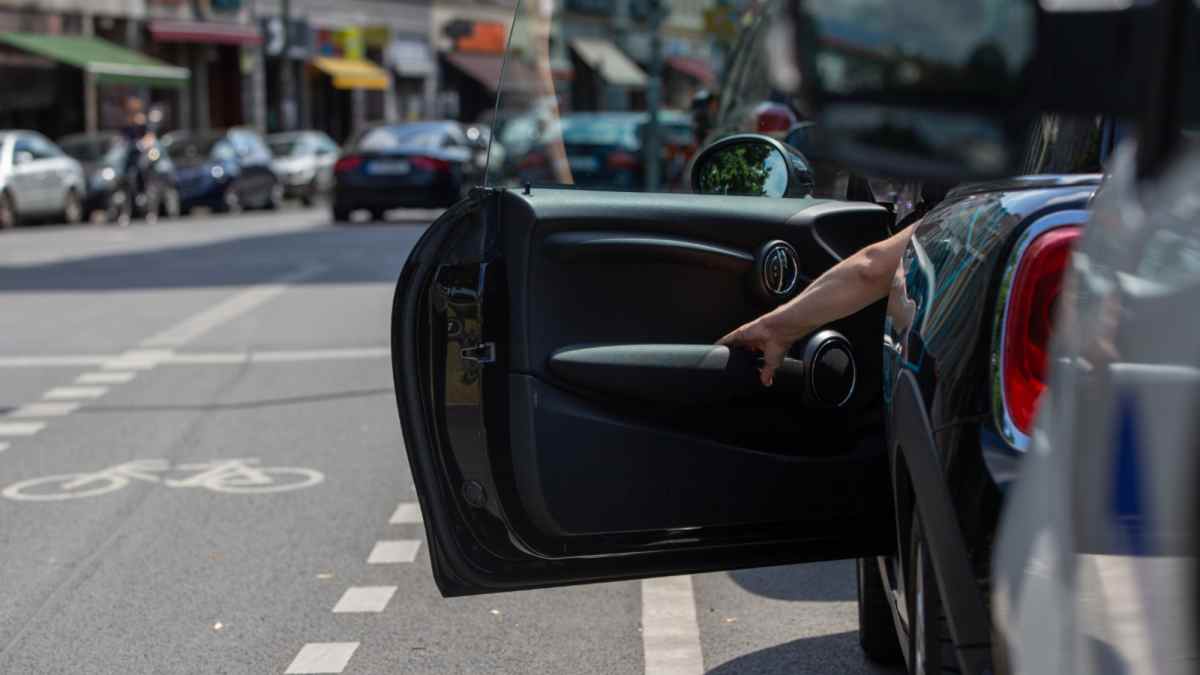
Cycling lobbyists could also put forward another argument on the subject of safety: it would probably be easier to fit motorised vehicles with safety systems that prevent cyclists from being put at risk. The vast majority of fatal cycling accidents involve a motorised vehicle. Even the best warning systems on a bike are of no use if a car or lorry collides with a cyclist at high speed.

Kristian Bauer
Editor