


The fact that Roglič is not scheduled to captain either the Giro d'Italia or the Tour de France initially seems like a step backwards for many fans. However, the balance of power in the peloton is actually changing: riders such as Tadej Pogačar and Jonas Vingegaard dominate the calendar with high frequency and consistent top level. Roglič, on the other hand, is more selective in his choices. And this is precisely where the new dynamic lies: fewer races, clearer goals, maximum preparation. The competition in his own team also plays a clear role in the distribution of races
Roglič as a hybrid figure at Red Bull - Bora - hansgrohe
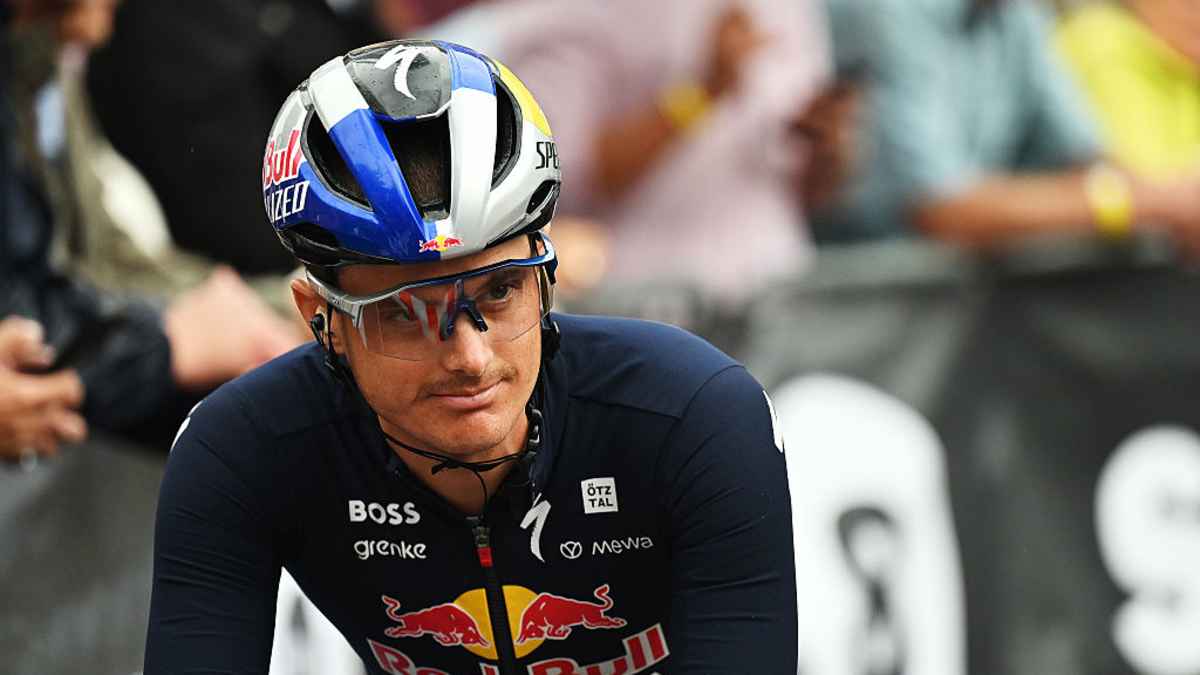
Within Red Bull - Bora - hansgrohe, Roglič could become a hybrid figure in 2026: still the leader when it counts, but at the same time a mentor and tactical anchor for younger riders. In a team rebuild, it's not just top performance on the mountain that counts, but also stability in the race, calmness in hectic situations and knowing when to save energy. This kind of value cannot be measured in watts, but it often determines whether a team acts as one at the decisive moment.
The calendar as a signal
The most striking part of the season's planning is the gap in the calendar: after the Tour of the Basque Country and Tour de Romandie, Roglič won't race again until the Vuelta a España. A plan with a central highlight. This approach seems particularly bold because modern racing is often designed for constant visibility and the permanent production of results. But Roglič is a rider who does not necessarily have to seek form through race days. He can build up his performance through training, precisely control his workload and time his level so that it is at its highest in late summer. The team is an important source of support here. Such race planning must of course be made possible.
This puts the Vuelta centre stage. Hardly any rider is as closely associated with this tour as Roglič. It traditionally combines many elements that suit him: short, steep climbs, explosive starts, tactically complex stages and the pressure that rewards mental strength. The Vuelta is also the Grand Tour that offers the most scope for surprises. While the Tour de France is increasingly controlled by a small group of dominant riders, in Spain constellations often emerge in which other aspects count as well as performance. As a four-time winner of the Tour of Spain, the Slovenian is likely to be aiming for a very special mark: Sole record winner with five titles.
Conclusion: A new mission instead of old routines
This could be the perfect constellation for Roglič: fewer races, clearer goals, maximum preparation for a single highlight. Instead of wearing himself out in the spring and summer, he is building up his season carefully, with the Vuelta as the central building block. In this sense, Roglič is not on the retreat in 2026. He is reinventing himself: no longer as the omnipresent favourite, but as a specialist with a clear mission. And perhaps this is his best chance of reaching the top once again.
Leon Weidner
Working student
