


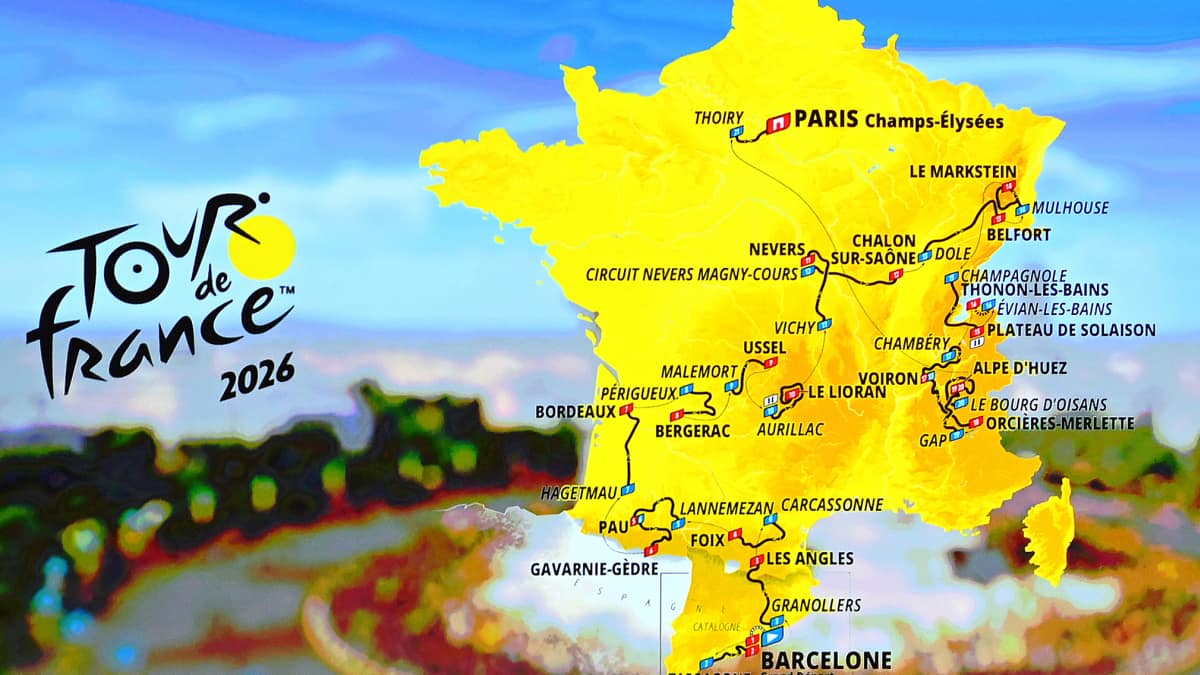
While all eyes are on the monumental Alpine peaks and the spectacular Pyrenean passes, the first turning points of the 2026 Tour de France may be taking place far from the big stage. In the rolling hills of the Cantal and the wooded climbs of the Vosges, underestimated dangers await - mountains that can surprise even the best climbers in the world. The overall victory cannot be decided here, but the wheat could be separated from the chaff. Especially if you are still weakened from crashes on the first stages. With its "unprecedented high mountain finale" and over 5,600 metres of climbing in a single day, the 2026 Tour de France promises a spectacle of superlatives. But experience shows: It is not only the monumental 2,600 metre giants such as the Galibier, but also inconspicuous climbs in the low mountain ranges that can decide important seconds and minutes. Here, where the speeds are higher and there is less time for tactical games, dreams can be shattered and new hopes can arise within a few kilometres.
14th stage of the Tour de France as a surprise?
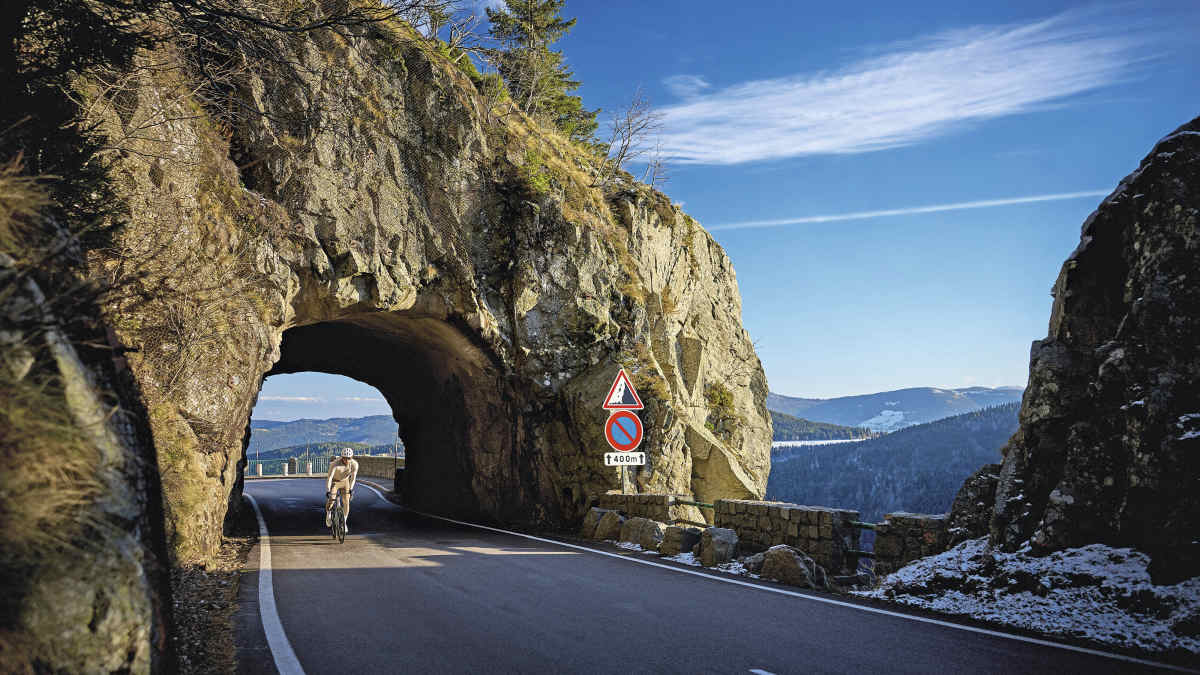
The 14th stage of the Tour de France 2026 from Mulhouse to Le Markstein, with its 155 kilometres and 3,800 metres of climbing, will be the start of a decisive weekend. What looks like a relaxed low mountain stage at first glance turns out to be a tactical trap on closer inspection. The first stage, the Grand Ballon, awaits after just 36.5 kilometres - 21.5 kilometres with an average gradient of 4.8 per cent that will shake up the peloton. But the real jewel of this stage is hidden in the second half: the Col du Haag, described by Tour organiser Christian Prudhomme as "one of the discoveries of the year". This former forest path, which has been converted into a cycle route, winds its way uphill over 11.2 kilometres at an average gradient of 7.3 per cent - with an irregular rhythm. The differences in gradient, ranging from three per cent to ramps of over nine per cent, make it almost impossible to evenly pace the race.

Unknown ascent of the Tour de France
What makes the Col du Haag dangerous is not only its difficulty, but above all the unknown. While the pros know every metre of the Alpe d'Huez or the Tourmalet, they are entering uncharted territory here. The gradient profiles show clear fluctuations: While kilometre four has a gradient of 10.1 per cent, a section with only five per cent immediately follows - a rhythm that offers tactical opportunities. Particularly exciting: after the Haag pass, there are only six kilometres to Le Markstein. Too little for a real recovery, but enough to lose crucial seconds if the tactics are wrong. This combination of unfamiliar terrain and time constraints makes the Vosges stage of the Tour de France 2026 a factor in the battle for the overall classification.
Historical precedents: When low mountain ranges write history
Le Markstein itself has twice been a stage venue for the Tour de France - and both times decisive decisions were made here. In 2022, Annemiek van Vleuten took the yellow jersey in the Tour de France Femmes avec Zwift at Le Markstein and secured overall victory. A year later, Tadej Pogačar made it a point of honour to win here, even though the Tour was already lost to him - much to the chagrin of Thibaut Pinot, who was denied the longed-for home victory in front of his own fans. These episodes perfectly illustrate the psychological dimension of the low mountain stages. While pure climbing strength is often decisive in the high Alps, emotions, daily form and tactical finesse play a greater role here. The proximity to the French urban centres creates a unique atmosphere that puts additional pressure on the riders. For fans travelling from Germany, the Vosges are traditionally a popular destination.
Tour de France at Puy Mary
Four stages earlier, on the tenth day of the Tour de France 2026, the Cantal stage to Le Lioran will be another point of tension. The Pas de Peyrol Puy Mary as the prelude to this mountain arrival in the heart of the Massif Central could establish the hierarchy for the upcoming high mountain stages. On paper, it's not a stage that looks dangerous, but with two 1st category climbs, outsiders could be looking for their chance. In recent Tour history, the Massif Central has repeatedly provided for intense battles between favourites and outsiders. The medium altitudes between 1,000 and 1,500 metres create ideal conditions for surprises: The climbs are long and difficult enough to make a difference, but not so extreme that only the absolute climbing specialists have a chance.
The psychology of perfect timing
What makes stages 10 and 14 exciting is their strategic integration into the overall course of the Tour de France 2026. After the first Pyrenean stages and before the Alpine finale, they form a kind of intermediate test to see who has coped with the stresses and strains of the first week of the Tour and is ready for the monumental stages to come. Experience shows: For those who lose touch here, the mountain finishes serve to limit the damage. Conversely, riders who perform surprisingly well here can recharge their batteries for the decisive Alpine stages.
Competition dynamics at medium height
An often overlooked aspect of the low mountain stages is the higher speeds compared to the high Alps. While on the Galibier or the Alpe d'Huez the speed on the steepest sections can drop to under 15 km/h, the pros in the Vosges are often still travelling uphill at 20 km/h and more. This means less time for tactical manoeuvres and a higher probability of spontaneous attacks. At the same time, the groups stay together for longer, which can lead to explosive battles for stage victory in the final metres. While small groups often form early on in the high Alps, a 20-man lead group can still fight for the stage win in the low mountain ranges - with a correspondingly unpredictable outcome.
Connection to the alpine showdown
The strategic importance of the Cantal and Vosges stages only becomes clear in the context of the entire Tour. They act as a bridge between the Pyrenees prelude and the "unprecedented high mountain finale" with the double stages on the Alpe d'Huez. Anyone who loses crucial seconds or even minutes here will face an almost unsolvable problem later on. The 5,600 metre climb over Croix de Fer, Télégraphe and Galibier in particular will be an ordeal for riders who are struggling. The low mountain stages are therefore often not directly decisive for the Tour victory, but for who still has a realistic chance of overall victory when the Tour de France enters its decisive phase.

Kristian Bauer
Editor