


After the departure of Jan Ullrich in 2007, German cycling lacked a clear identification figure for the overall classification for a long time. While other nations produced a new generation of cyclists, Germany remained conspicuously quiet in the high mountains for years. But there was one constant: sprints at world-class level. With victories by Marcel Kittel and André Greipel, Germany was regularly present in the 2010s, but the great hope of a podium in a Grand Tour seemed a long way off. This impression is now beginning to change. Not just because of individual results, but because structures, teams and young talent are improving significantly.
From sprint country to round trip nation?
The central change: Germany once again has riders who can not only come through in tours, but also attack at the front. The focus is on Florian Lipowitz, who fought for the podium in the Tour de France 2025 all the way to Paris and finished third overall. This brings back a feeling that many fans have hardly known since the 2000s: real ambitions in the overall classification.
In addition, there is a growing range of driver types that could play a role in the coming years:

- Georg Steinhauser attracted international attention and finished third at Paris-Nice this year.
- Felix Engelhardt has achieved several strong top ten results in tours in recent years.
- Anton Schiffer shows that the leap over strong Continental structures can work and that German talent is becoming more visible again.
- Emil Herzog is regarded as one of the German talents who can achieve great things in the coming years
Two top teams under German licence
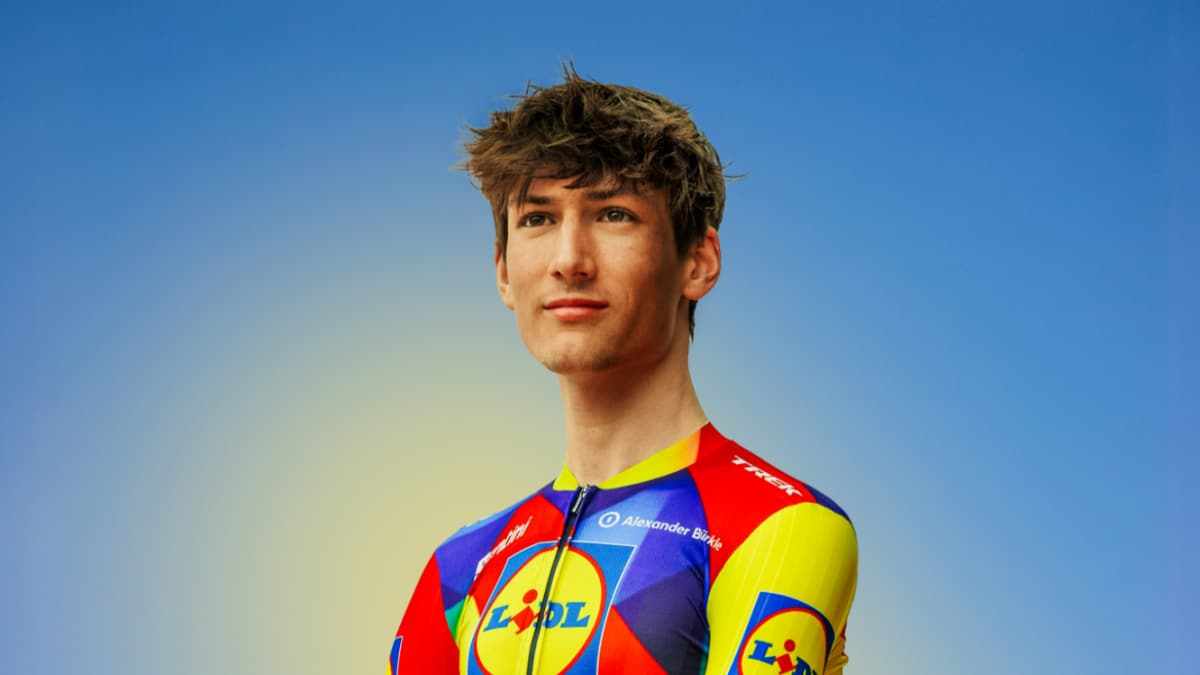
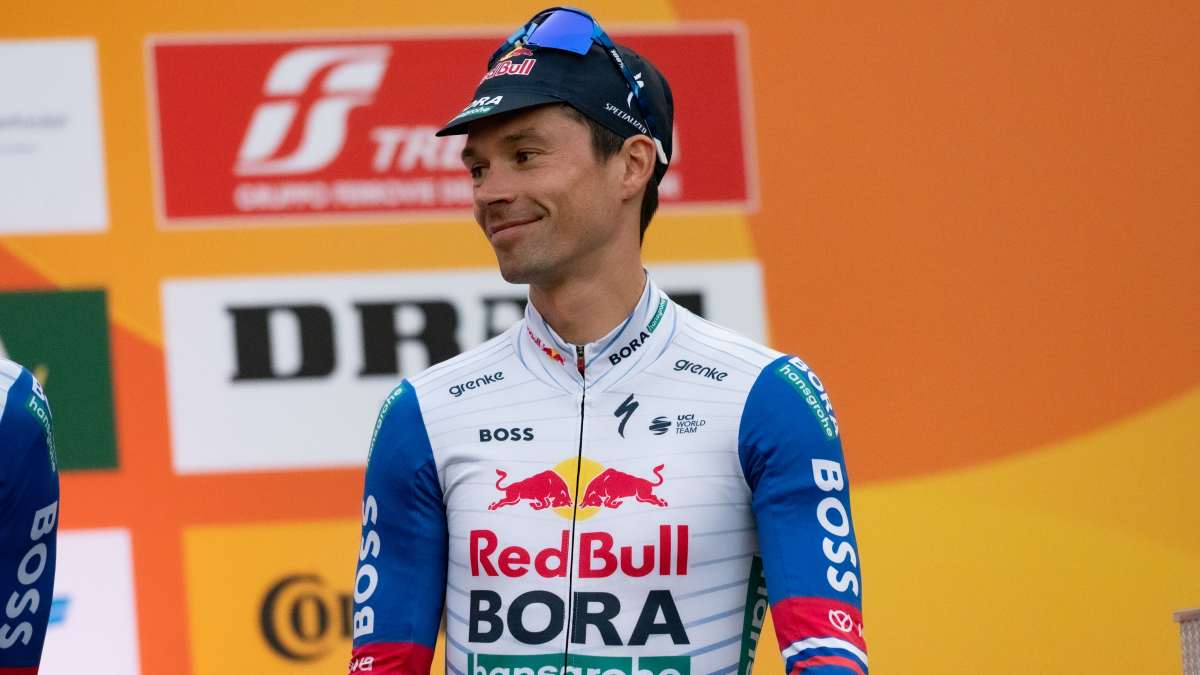
The licence situation in the professional peloton is a real structural milestone. With Red Bull - BORA - hansgrohe, a WorldTeam has been racing under a German licence at the highest level for years. What is new is that Lidl-Trek has also had Germany as its licence country since the start of 2026. This means that there is once again a second WorldTeam under a German licence. Both teams have the ambition to ride at the front and do so regularly.
This is not just a formal point, but can have very concrete effects. German races and German markets will become strategically more relevant, work with young talent and scouting in German-speaking countries can gain in importance, and young riders will have a better chance of working in an environment that operates at the highest level.
The upswing starts with young talent
If a country wants to regain a foothold in the circuit, it needs more than one exceptional talent. It needs development chains that identify talent early on and systematically build it up. At Red Bull - Bora - hansgrohe, the path via junior and development structures is a central building block. At the same time, other programmes and collaborations ensure that the transition from the junior to the professional ranks is more realistic. Lidl-Trek is also creating additional talent paths with the recently established junior team. The fact that Lidl, a strong partner, is also visibly investing in Germany fits in with the trend that cycling in this country is once again being seen as a long-term project, not just a short-term campaign.
German races: WorldTour flair and crowded roads
Germany also looks more attractive on the race calendar than it has for a long time. Eschborn-Frankfurt is an integral part of the UCI WorldTour and, with its date on 1 May, a traditional race that works reliably in terms of sport and media. As a WorldTour race, the Cyclassics in Hamburg are also an international showcase: those who want to see the best riders in the world live are given a big stage here year after year.
With the return of the Lidl Deutschland Tour in 2018, a high-quality German stage race has once again been established, which always has a strong field despite its lack of WorldTour status. The Münsterland Giro also remains an important German race that regularly attracts the sprint elite and offers an attractive platform, especially at the end of the season.
Conclusion: There is movement in the system again
German cycling is not on the rise because everything is suddenly going perfectly, but because several developments are interlocking at the same time: a Tour de France podium as a visible signal, two WorldTour teams under German licence, more professional junior and development structures as well as races in Germany that are convincing in terms of sport and organisation. If these lines continue to connect, a good moment will turn into a new phase, one in which Germany can dream of Tour victories again.

Leon Weidner
Editor