


ProCyclingStats has been systematically recording rider injuries since 2014. The database provides a valuable insight into the actual dangers of professional cycling and makes it possible to recognise injury patterns and develop preventative measures. The development of injury figures over time is worrying. While 119 injuries were recorded in 2014, this figure rose dramatically in the following years. The trend is clear: professional cycling is becoming increasingly dangerous. There is no simple explanation for the increase in accidents. But the fact is: professional cycling is getting faster and faster. Wout van Aert won Paris-Roubaix with an average speed of 48.91 km/h.
Injuries: The development at a glance:
2014-2017: After an increase to 222 injuries in 2015, the figures initially stabilised at a level between 136 and 169 cases.
2018-2020: A phase of relative stability with 149 to 208 cases per year. The year 2020 shows a significant slump with only 141 injuries - presumably due to the COVID-19 pandemic and the associated reduced racing season.
2021-2025: The dramatic rise: A continuous and worrying upward trend began in 2021:
- 2021: 191 injuries
- 2022: 248 injuries (+30%)
- 2023: 296 injuries (+19%)
- 2024: 327 injuries (+10%)
- 2025: 374 injuries - the year with the most injuries to date
In just four years (2021-2025), the number of injuries almost doubled. The current year 2026 shows 182 recorded cases so far (as of the end of April). Extrapolated to a full year, 2026 could even surpass the previous record level of 2025.

Most frequent injuries: Collarbone in 1st place
A collarbone fracture is the most common injury among cyclists: 29% of all recorded injuries were collarbone fractures. This fact is hardly surprising to insiders: in crashes, the rider typically lands on the shoulder or the outstretched arm, which exerts enormous forces on the collarbone. The current 2026 season impressively confirms this trend: Marc Hirschi is just one of many cyclists who broke their collarbone in the spring. Marianne Vos (Visma - Lease a Bike) also suffered a broken collarbone in her crash on stage 1 of the Vuelta Femenina (2nd WWT).
Other common injuries
In addition to collarbone fractures, the latest injury reports cover a broad spectrum:
- Leg fractures: Daniel Stampe suffered a tibia fracture in a fall during the Tour du Loir et Cher on 15 April 2026 with an estimated 9 weeks of absence
- Fibula fractures: Nicolò Buratti broke his fibula in a crash during stage 1 of the Tour of Hainan on 15 April 2026, downtime: 4 weeks
- Concussions: Laura Silande suffered a concussion in a fall during a national race on 12 April 2026 and is expected to be out for 2 weeks
The most dangerous races
The classic spring races in particular take their toll. Paris-Roubaix, often referred to as the "Hell of the North", is known for its danger. Kamilla Aasebø suffered a broken jaw and elbow in Paris-Roubaix - an example of the severity of the injuries sustained in this monument.
Special forms of injury
In addition to traumatic injuries from falls, there are also sport-specific problems. Jesse Kramer has been suffering from endofibrosis since 15 April 2026 and is expected to be out for 13 weeks. Endofibrosis is a vascular disease caused by overuse that particularly affects professional cyclists and often requires a longer break.
Conclusion
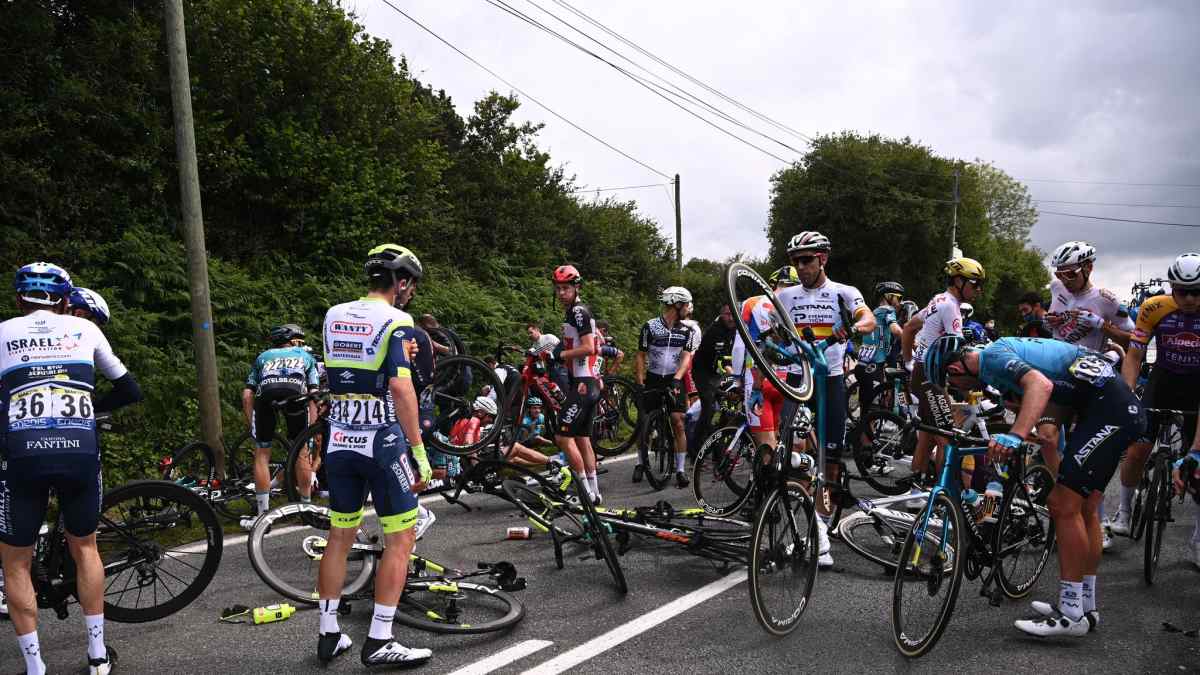
The PCS figures speak for themselves: professional cycling is becoming increasingly dangerous. Collarbone fractures dominate the injury statistics, but serious leg, arm and head injuries are also commonplace. Every race day can mean the premature end of the season for a rider. The ongoing documentation by ProCyclingStats helps to raise awareness of these risks. However, the data is not scientifically valid. It is difficult to assess how reliably injuries are reported and whether all cases are listed. In any case, it is only about the tip of the iceberg - only what leads to longer absences is recorded. George Bennett's crash at Strade Bianche (see photo above) looked dramatic and he was unable to finish the race - it was not recorded because Bennett was soon able to race again. *Data source: ProCyclingStats.com - as of April 2026



Kristian Bauer
Editor