


E-road bike under ten kilos: The X20 motor from Mahle makes e-racers light
Matthias Borchers
· 16.05.2026
![Origine Newton[e] with the X20 drive system from Mahle](https://media.delius-klasing.de/images/dpr_auto,fl_progressive,f_auto,c_fill,g_face:auto,h_512,w_768/q_auto:eco/tour/newtongr-1_fd0df8a536497ff0c081062d5ed8fcca/origine-newton-e-with-the-x20-drive-system-from-mahle "Origine Newton[e] with the X20 drive system from Mahle")
![Origine Newton[e] with the X20 drive system from Mahle](https://media.delius-klasing.de/images/dpr_auto,fl_progressive,f_auto,c_fill,g_face:auto,h_60,w_80/q_auto:eco/tour/newtongr-1_fd0df8a536497ff0c081062d5ed8fcca/origine-newton-e-with-the-x20-drive-system-from-mahle "Origine Newton[e] with the X20 drive system from Mahle")
![Origine Newton[e] with the X20 drive system from Mahle](https://media.delius-klasing.de/images/dpr_auto,fl_progressive,f_auto,c_fill,g_face:auto,h_60,w_80/q_auto:eco/tour/newton-peson_8398cba7217b3bd07c0faebe07a667bd/origine-newton-e-with-the-x20-drive-system-from-mahle "Origine Newton[e] with the X20 drive system from Mahle")
![Origine Newton[e] with the X20 drive system from Mahle](https://media.delius-klasing.de/images/dpr_auto,fl_progressive,f_auto,c_fill,g_face:auto,h_60,w_80/q_auto:eco/tour/newton-peson2_cc35357ef6ebd3e1b487df3eca904d13/origine-newton-e-with-the-x20-drive-system-from-mahle "Origine Newton[e] with the X20 drive system from Mahle")
![Origine Newton[e] with the X20 drive system from Mahle](https://media.delius-klasing.de/images/dpr_auto,fl_progressive,f_auto,c_fill,g_face:auto,h_60,w_80/q_auto:eco/tour/newtonroad-1_cc35357ef6ebd3e1b487df3eca904d13/origine-newton-e-with-the-x20-drive-system-from-mahle "Origine Newton[e] with the X20 drive system from Mahle")
![Origine Newton[e] with the X20 drive system from Mahle](https://media.delius-klasing.de/images/dpr_auto,fl_progressive,f_auto,c_fill,g_face:auto,h_60,w_80/q_auto:eco/tour/newtonroad-2_cc35357ef6ebd3e1b487df3eca904d13/origine-newton-e-with-the-x20-drive-system-from-mahle "Origine Newton[e] with the X20 drive system from Mahle")
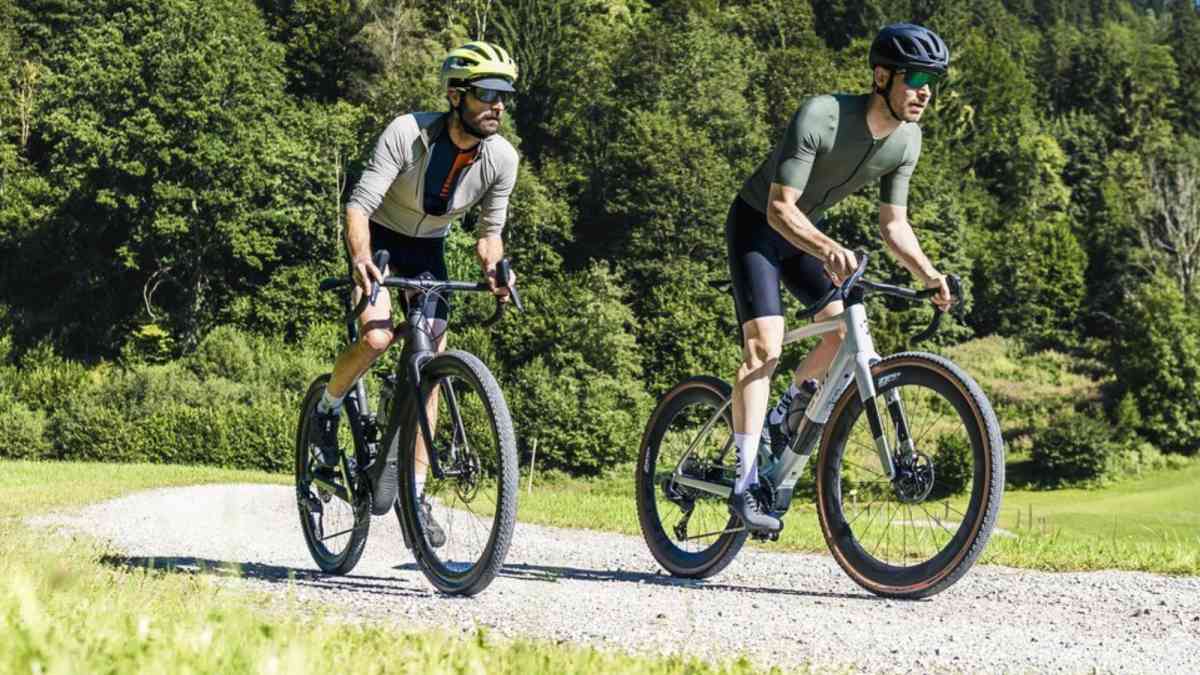
Months after its market launch, the Origine Newton[e] remains the lightest electric road bike in its class. The French model demonstrates the weight values that are possible when lightweight construction is the focus right from the start of system development. The combination of frame design and drive technology results in an overall weight that is significantly lower than that of conventional e-bikes.
Motor and drive
The Mahle X20 engine forms the centrepiece of the drive concept. With a dead weight of 1.39 kilograms and 65 Newton metres of torque, it achieves one of the best power-to-weight ratios on the market according to the manufacturer. These values enable manufacturers to develop electric platforms that retain natural riding behaviour and an authentic pedalling feel. The integration takes place within the frame, which hardly distinguishes the look from a classic racing bike.
Other models with X20 system
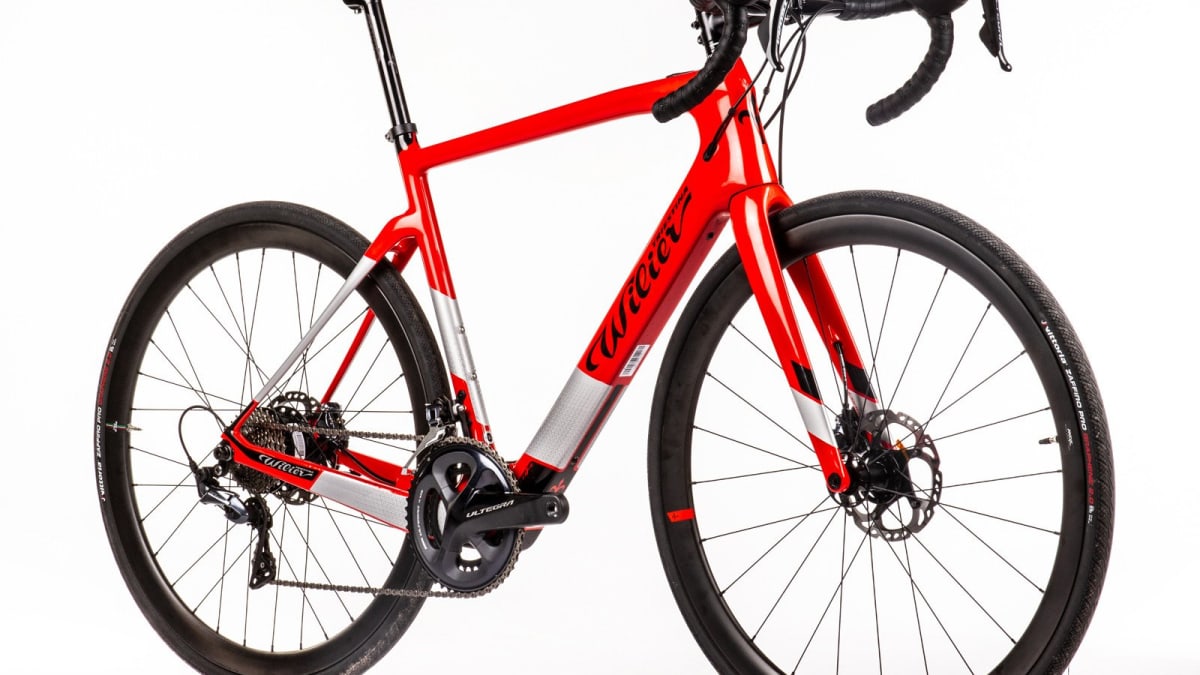
The Ponomarets Eidolon also uses the Mahle X20 engine and has a starting weight of 9.9 kilograms. The Ukrainian model combines minimalist design with a clear focus on road performance. The Wilier Filante Hybrid weighs in at 10.3 kilograms with top-of-the-range equipment and was one of the first e-road bikes to realistically approach the 10-kilogram mark. Different concepts utilise the same technical basis: a lightweight system that makes these weight values possible in the first place.
System integration as a development principle
The weight values of Newton[e] and other lightweight e-bikes confirm an industry trend: performance comes from system integration, not just motor power. When the electric system is developed in harmony with the bike, lightweight construction becomes a decisive advantage. This philosophy characterises the Mahle X-Series and shapes the next generation of E-Road and E-Gravel bikes. The X Series is establishing itself as the reference for lightweight electric systems in the road and gravel bike segment.
The X20 motor as the basis for lightweight e-racers:
- Engine: Mahle X20, 1.39 kg, 65 Nm
- Weight Origine Newton[e]: 9.83 kg
- Weight of Ponomaret's EIDOLON: 9.9 kg
- Wilier Filante Hybrid weight: 10.3 kg


Matthias Borchers
Editor
