


On World Bicycle Day, it is worth taking a sober look at how far we have come in terms of cycling and where we are still falling short of our potential. Cycling has become much more important in recent years. In many cities, it has long been a fully-fledged means of transport that shortens commutes, avoids traffic jams and contributes to climate protection. The number of cyclists is increasing, e-bikes are extending the radius and more and more people are discovering the bicycle as a practical everyday tool.
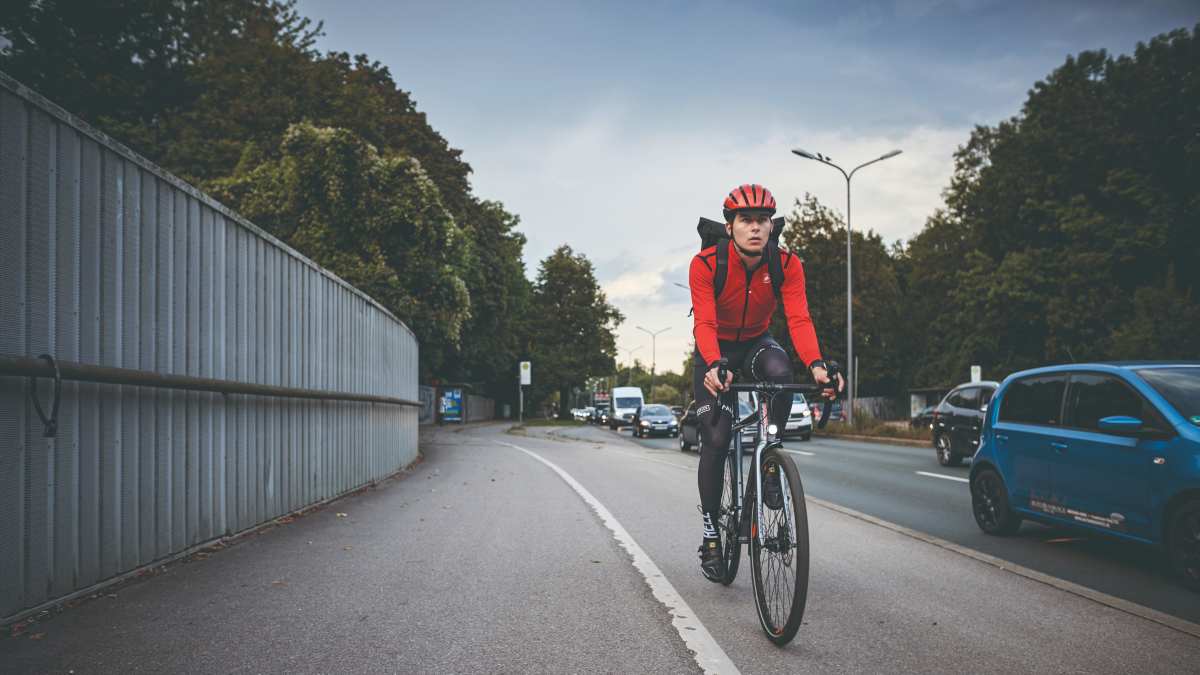
But this progress is by no means universal. While some local authorities are boldly building new cycle paths, turning roads into cycle lanes and creating safe connections, in other places much remains piecemeal. Cycle paths often end abruptly, lead across confusing junctions or are simply too narrow to accommodate the growing traffic. In large cities in particular, it is clear how fiercely contested public space is and how difficult it is for those responsible to give cycling the priority it needs for a real turnaround in transport. In rural areas, on the other hand, cycling often fails due to completely different factors: long distances, little to no cycling infrastructure and dangerous roads. This makes cycling an option for the few, not the many.
A look at our neighbours shows how things can be done differently. Over decades, the Netherlands has built up an infrastructure that not only makes cycling possible, but also natural and above all attractive. Cycle paths are structurally separated or at least clearly demarcated from car traffic almost everywhere, junctions are clearly laid out and even smaller towns have continuous, safe connections. This consistency creates trust and it is precisely this trust that ensures that people of all ages naturally get on their bikes. The Netherlands proves that good infrastructure is not a luxury, but a matter of political priority and long-term planning.
What needs to change in our country is basically clear. Cycling should not depend on the courage of individuals, but on the quality of the infrastructure. Safe, continuous and well-planned routes are the basis for people being prepared to switch from car to bike in the first place. This also includes better integration with local public transport so that longer distances can be easily combined. Equally important is a political stance that no longer views mobility as a zero-sum game, but as a task in which quality of life, safety and climate protection go hand in hand.
World Bicycle Day is a reminder that the bicycle has long been more than just a leisure device. It is a central component of modern mobility and it shows how much potential still remains unutilised. If we are serious about sustainable transport, then we must not only recognise the bicycle, but above all give it space, planning and priority.


Leon Weidner
Editor
