


The short answer is: it depends. The good news, though, is that modern gravel bikes are now much more versatile than they were just a few years ago. Many frames offer enough clearance for tyres of varying widths – and that’s precisely what makes them so appealing.
Narrow tyres: Fast on tarmac
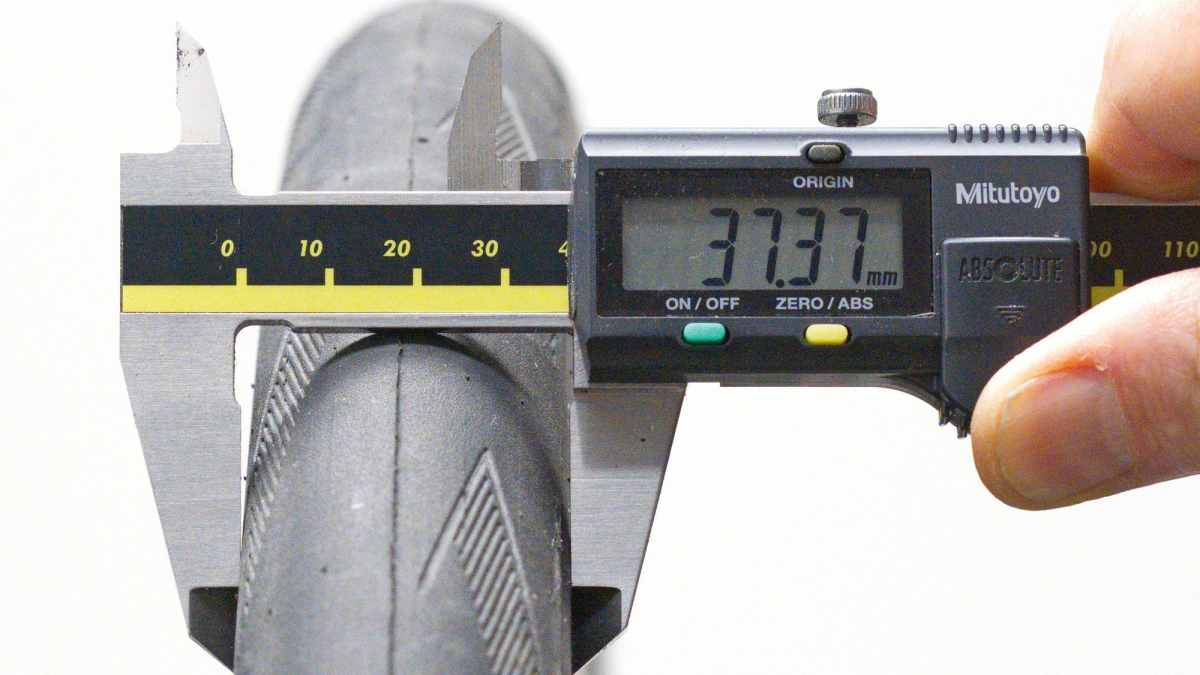
Tyres between 35 and 40 millimetres are particularly at home on paved paths. Narrower tyres offer aerodynamic advantages and provide a riding experience on tarmac that is almost akin to that of a road bike. If you mainly cycle on cycle paths, country roads and well-maintained gravel tracks, this is an efficient solution. However, the narrower width does mean a slight reduction in comfort, as narrow tyres usually need to be ridden at slightly higher air pressure. This is when they really show off their speed advantages.
The all-rounder: 42 to 45 millimetres
For many gravel enthusiasts, this range offers the ideal compromise. Tyres measuring 42 to 45 millimetres provide enough volume to absorb bumps with ease, whilst still rolling briskly. Forest tracks, gravel, country lanes or a longer stretch of tarmac – this tyre range can handle almost anything. If you only want to ride with one set of tyres, this is usually the best choice.
Wide tyres: comfort and control
From around 47 millimetres, the focus shifts significantly towards off-road use. The greater air volume provides more cushioning, better grip and added safety on loose surfaces. Wide tyres really come into their own on coarse gravel, sections with tree roots or sandy tracks – particularly when it comes to comfort and traction.
It’s not just the width that counts
It is at least as important as tyre width to keep an eye on rolling resistance. And this is influenced by tyre pressure, tyre diameter, tyre width, tyre construction and the tyre tread pattern. On a completely smooth surface, the rule is: the higher the tyre pressure, the less deformation there is and, consequently, the lower the rolling resistance.
Off-road, the opposite is true: the lower the tyre pressure, the lower the rolling resistance. This is because a tyre with low pressure can adapt better to uneven surfaces, such as loose stones on gravel tracks. It sinks in less and is slowed down less by uneven surfaces.
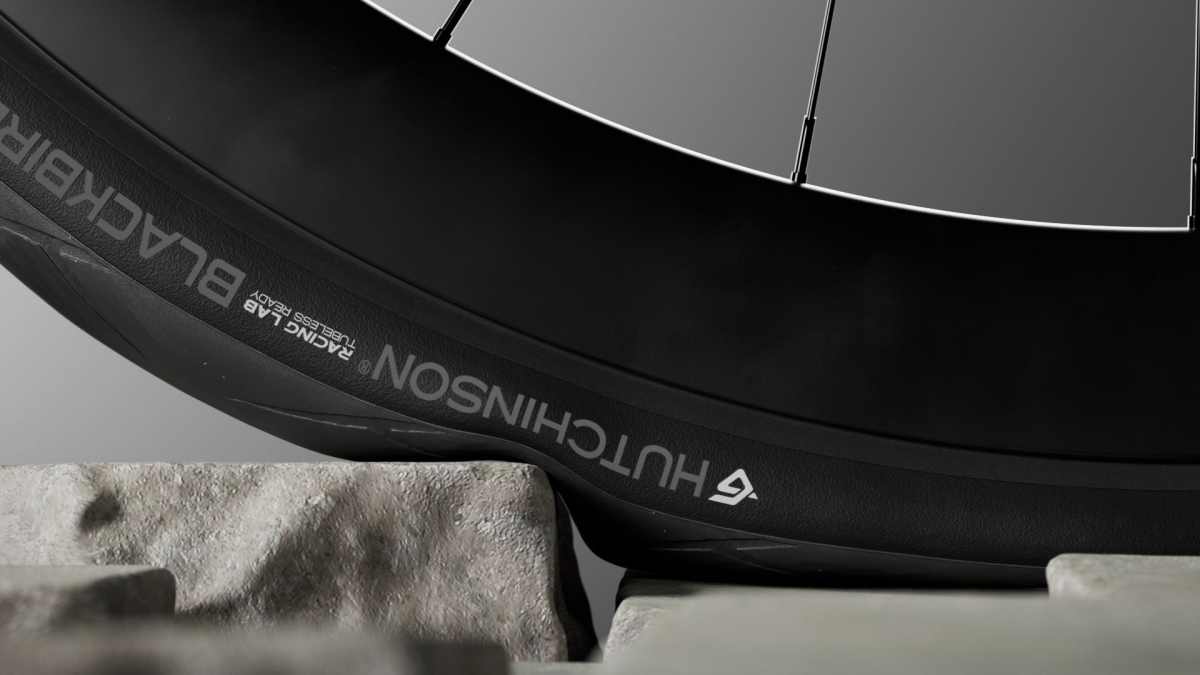
It is interesting to note that, contrary to popular belief, wider tyres actually roll more smoothly than narrow ones. At the same tyre pressure, a narrow tyre compresses further and is therefore deformed more significantly.
Our conclusion
There’s no such thing as the perfect tyre width – but there is one that suits your riding style. If you mainly ride fast, go for 35 to 40 millimetres. For a versatile all-rounder, 42 to 45 millimetres are recommended. If you regularly tackle challenging trails or alpine terrain, you can go for 47 to 50 millimetres.
Ultimately, the best tyre width is the one that suits your personal riding style. If you experiment a little and play around with tyre pressure and tread depth, you’ll soon realise just how much the riding experience can change. Often, just a few millimetres more or less is enough to tailor your gravel bike precisely to your own rides.

Maik Schröder
Editor
