


Autumn wind jackets and vests: Testing Vandeyk’s ultra-light cycling clothing
Maik Schröder
· 03.10.2026


Vest or jacket: which is best for a ride?
The vest is the ideal extra layer when you need to protect your chest and torso in particular on a windy descent. A long-sleeved jersey can be worn underneath if desired. Cyclists wearing a jersey and arm warmers can flexibly adjust their wind protection whilst on the move. This makes them particularly suitable for sporty rides that alternate between climbs and descents. The TOUR guide to Choice between a jersey, a wind vest and a jacket.
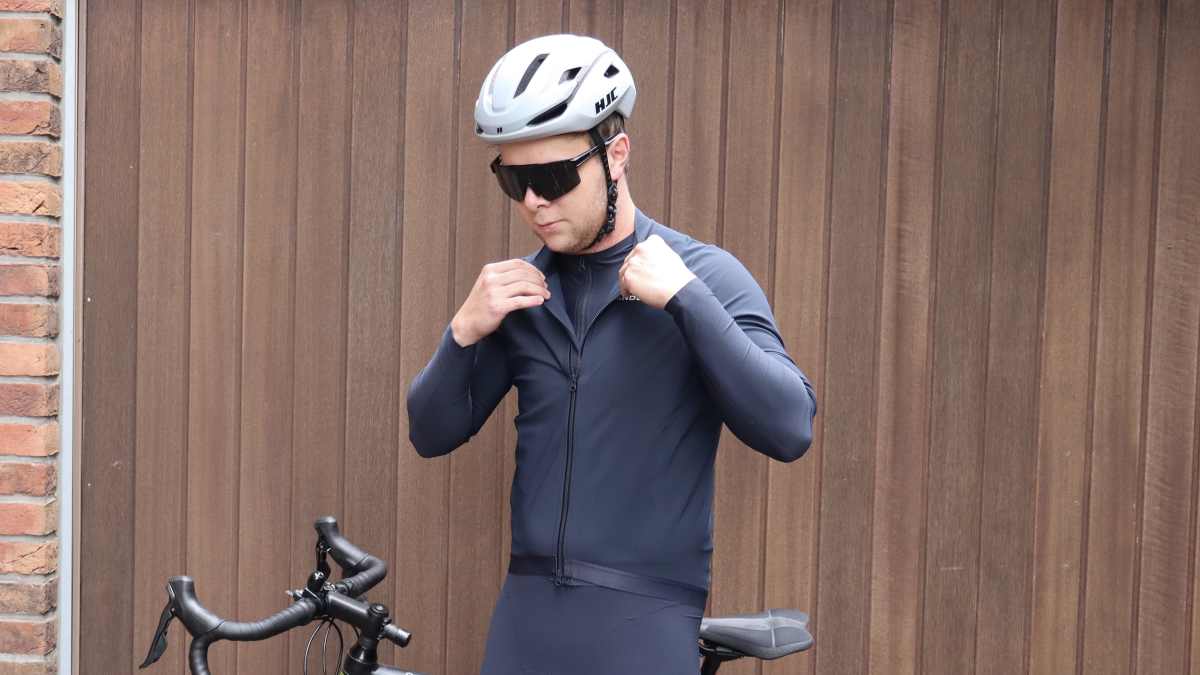
The jacket protects the entire upper body and offers plenty of freedom of movement. As a result, it is relatively less aerodynamic. However, it is the more sensible choice if the entire ride is cool and windy, or if longer descents are planned. Both models feature an elasticated back panel. This allows for freedom of movement whilst riding and permits greater airflow at the back than a fully enclosed windproof design. Whether a vest or a jacket is more suitable therefore also depends on your speed, the route profile and the layers you’re wearing underneath – not just on the temperature at the start.
Lightweight ripstop fabric and a flexible back panel
For both pieces, Vandeyk uses a 20D ripstop polyamide fabric manufactured in Japan. The weight per unit area of 42 g/m² refers to the fabric, not the weight of the finished garment. When worn, the material stands out for its very low weight. The finish is neat, and the wind protection is impressive. The sleeves fit snugly and lie flat against the arms. Features include a two-way zip and side openings for access to the jersey pockets.
Manufactured using recycled materials
According to the manufacturer’s specifications, the nylon yarn is made using, amongst other things, raw materials derived from used tyres. These are obtained through chemical recycling and allocated to the material via a mass balance process. This means that the use of such raw materials is accounted for throughout the manufacturing process. It is not possible to deduce from this what specific proportion of an individual garment physically originates from end-of-life tyres. Vandeyk states that the main material is manufactured in Japan and that both garments are produced in Portugal.
Where the boundaries lie
Jackets and waistcoats are lightweight windproof layers, not warm winter jackets. In cold weather, therefore, it’s the jersey and other layers worn underneath that make the difference. Both styles are water-repellent, but they should not be relied upon in place of a rain jacket for prolonged or heavy rain. Anyone putting together their kit for cooler rides will find the TOUR guide to Autumn and winter clothing for road cycling further criteria relating to wind protection, insulation and protection against moisture.
Conclusion: The Ultralight Wind Gilet is ideal for changeable, fast-paced autumn rides where the torso, in particular, needs protection from the wind at times. The Ultralight Wind Jacket is ideal when your arms are also exposed to the wind for longer periods. Both combine low weight with good wind protection. How warm the combination is overall depends on the layers worn underneath.

Maik Schröder
Editor
