


In this article, we use so-called affiliate links. With every purchase through these links, we receive a commission from the merchant. All relevant referral links are marked with . Learn more.
Between cool mornings, damp roads and sudden warm spells of sunshine, conditions can change completely within a single ride. One moment you're shivering, the next you want to rip off all your thermal clothing.
With a few simple essentials - from clever layers of clothing to visibility and basics for energy on the go - you'll be flexible, safer on the road and able to enjoy spring on your road bike.
1. the good old onion principle
The onion principle means that you put on several layers on top of each other. All of them together should keep you warm enough in the coldest temperatures and windy conditions. You can remove the individual parts piece by piece and are thus equipped for different requirements.
- The bottom layer forms a Functional baselayer (short or long sleeves, depending on the temperature) transports sweat away from the skin so you don't cool down so quickly. Only a sports bra and heart rate belt are worn underneath.
- Above the basekayer comes the Short or long-sleeved jersey, The pockets are perfect for storing the clothes you don't need at the moment.
- A Short sleeve jersey can be combined with arm warmers that you can even take off while riding.
- One waistcoat keeps your upper body warm. Your breasts and stomach in particular cool down quickly if they are constantly exposed to the wind.
- Especially for all-day tours or mountainous excursions, a Windbreaker or if there is a chance of rain a Rain jacket meaningful.
Therefore important: Temperature changes are extreme in spring - with several layers of clothing you can adapt quickly without taking too much with you.

2. bottoms: long bib tights or knee warmers
Long cycling trousers are the simplest solution for the transitional period. With or without thermal material, depending on the temperature. Alternatively Knee braces/leg warmers if it gets significantly warmer during the day or you want to be flexible.
Therefore important: Cold knees and thighs can severely affect performance and comfort - and increase the risk of you "catching cold" on long journeys.
Budget tip: When I started cycling, I put long running shorts on over my short cycling shorts. This also works, but in the long run it pressed uncomfortably on my stomach. Bib shorts are definitely more comfortable.
3. long-fingered gloves and ear protection
In spring, hands are often the first thing to cool down - especially in windy conditions and on descents. Thin Long-fingered gloves offer warmth, more grip in wet conditions and additional protection in the event of a fall. Especially if you have sensitive ears, it is important to protect them from the wind. A Headband keeps the ears warm, but the head does not overheat.
Therefore important: Warm, controlled hands mean better braking and shifting control - a real safety advantage.
My tip: Double is better. When temperatures fluctuate wildly, I even have a change of gloves with me. That way I can put on thinner ones when it's warmer and thicker ones when the evening cold wave hits. I currently use this for weekly group rides after work.
4. rain and splash protection for your feet: overshoes or waterproof socks
Damp roads, splashing water and cold toes are classic spring killers. Lightweight overshoes (windproof/splashproof) or waterproof socks help enormously.
Therefore important: Cold, wet feet ruin comfort and can force you to stop early.
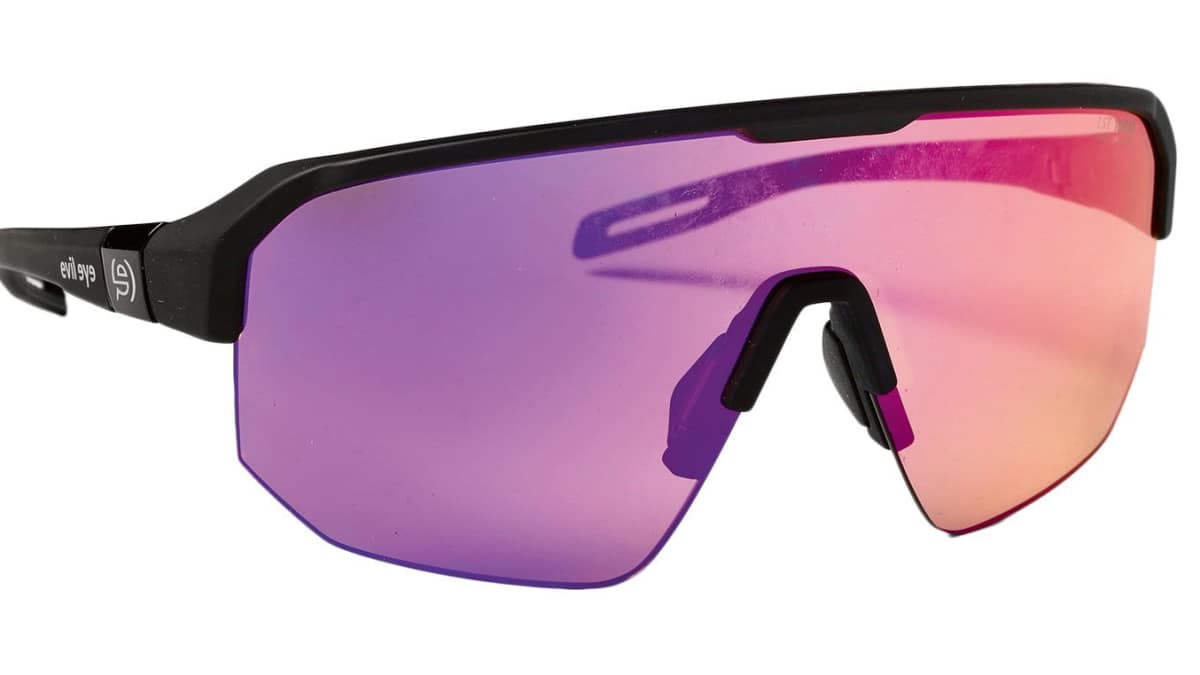
5. photochromatic glasses
Spring means: low sun, changing light conditions, wind, pollen and more dirt from the road. Photochromic glasses (self-tinting) automatically adapt to the light conditions - from clear to tinted - and protect your eyes without you having to change your glasses.
Therefore important: Optimum vision in sun and shade = more safety; also less watery eyes in windy and cool air.
6. visibility: front and rear light (also during the day)
In spring in particular, there is often haze, changing light and shadowy passages. A Front and rear light makes you recognisable much earlier.
Therefore important: Visibility is one of the most effective measures for accident prevention - especially on country roads and in cloudy weather.
Tip: Clothing that is not the same colour as your surroundings also increases the chance that you will be seen by others. Observe for yourself how well you see other cyclists and what causes you to notice them late.

Sandra Schuberth
Editor