


This is what the combination lock from Lidl is good for: The bolt cutter picks it in a second
Matthias Borchers
· 21.03.2026


In this article, we use so-called affiliate links. With every purchase through these links, we receive a commission from the merchant. All relevant referral links are marked with . Learn more.
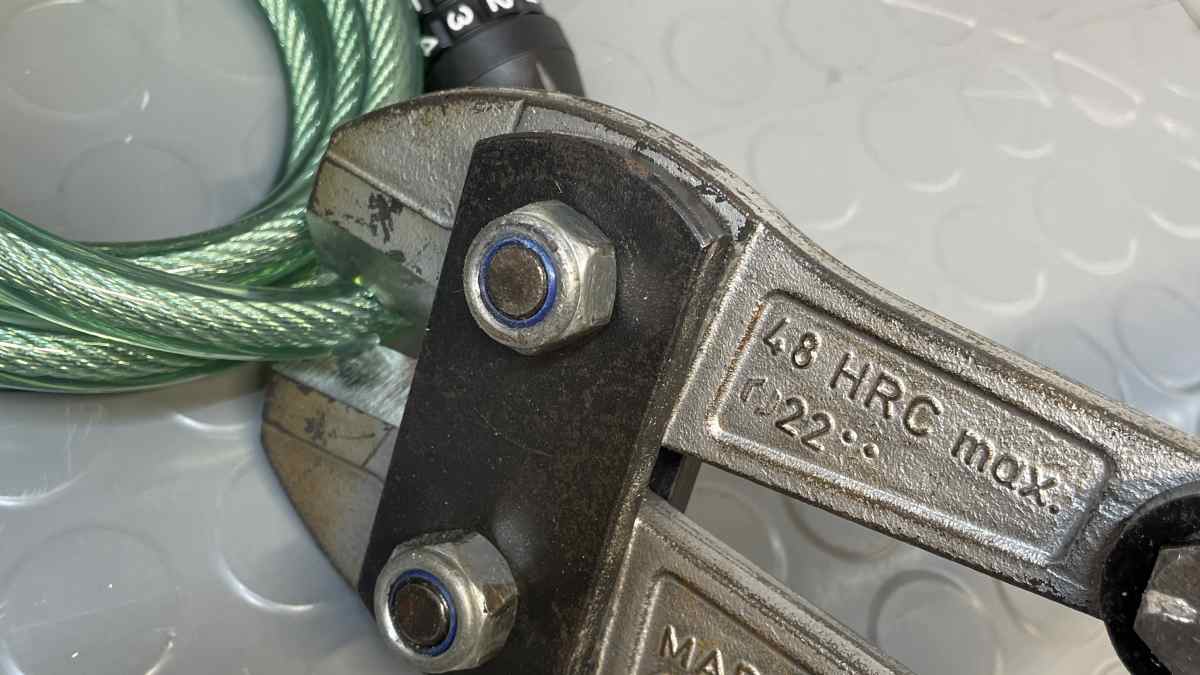
We had the Aldi bike locks cracked in no time, now it's the turn of the combination lock from Lidl. The inexpensive chain lock from the Crivit own brand looks secure, but is very light. We wanted to find out how secure the chain lock really is, so we set to work with the bolt cutters.
A bike lock is designed to protect your beloved bike from theft. Those who opt for a thick chain lock often believe that they have a particularly secure lock. The Crivit combination lock with chain also looks as if it can withstand brutal attempts to break it open, but it is also very light. We wanted to find out what the chain lock can really withstand and put the bolt cutters to work.
The first conclusion
The Crivit bicycle chain lock costs a favourable 4.99 euros (one or two euros more than the current locks at Aldi) and promises protection against bicycle theft. The 6 mm chain links are encased in a textile cover and appear somewhat delicate; the lock weighs 940 grams in total. This is relatively light for a chain lock of this length. The freely encodable 5-digit numerical code enables uncomplicated handling and is easy to set. With a length of 117 cm, the lock can be used flexibly and the textile coating protects against scratches.
Crivit bicycle chain lock - 4,99 Euro
The Crivit bike chain lock for €4.99 offers simple basic protection for short stops and everyday journeys. The robust 6 mm chain links are encased in a textile cover and the freely encodable 5-digit numerical code makes it easy to use. With a length of 117 cm, the lock can be used flexibly and the small handles on the left and right make handling easier.
Technical data & price
- Price: 4,99 Euro >> available here
- Total length approx. 117 cm
- Chain links approx. 6 mm
- 5-digit numerical code, freely codeable
- Handles For convenient opening and closing
- Textile sheathing as protection against scratches
Opinion and categorisation of the editorial team
Although the Crivit combination lock from Lidl costs two euros more than its Aldi counterpart, it remains a very affordable chain lock. The first impression is not deceptive: the thin six millimetre chain links and the low weight cast doubt on the security - and this is exactly what our practical test confirmed.
A bolt cutter was used just once and the chain was cut immediately. This makes it clear that this lock only offers basic protection for very short stops, such as outside the bakery or kiosk. It is unsuitable for overnight parking, for the bicycle cellar or generally for places with a higher risk of theft.
It is also important to look at insurance policies: Many bicycle theft policies require a certain security class. The Lidl combination lock does not fulfil these requirements. In the event of an emergency, there would therefore be no reimbursement. The Crivit combination lock is therefore a typical discounter product: practical, light and inexpensive, but only intended for occasional stops - not for real theft protection.

Matthias Borchers
Editor
